Chromomastax movogovodia
Overview
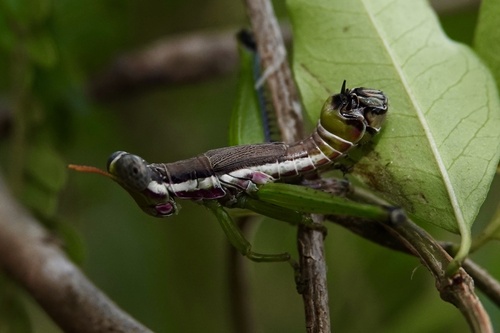
Chromomastax movogovodia is a species currently classified as Critically Endangered (CR) by the IUCN, placing it among the taxa facing an extremely high risk of extinction in the wild. As with many recently described or narrowly distributed organisms, detailed morphological and ecological documentation remains sparse in publicly available literature, but the CR designation itself reflects a rigorous assessment of restricted range, small or declining population, and ongoing pressures on its habitat. The species is understood to occupy a limited geographic range, a common feature among Critically Endangered taxa, which heightens its vulnerability to localized disturbances such as habitat conversion, resource extraction, or environmental change.
Population trend data are currently listed as unknown, meaning researchers have not yet established whether numbers are stable, increasing, or declining, underscoring the need for further field surveys and monitoring. Despite these knowledge gaps, the CR listing has already brought the species into conservation planning frameworks, which can prioritize it for future habitat protection, funding, and research initiatives. Increased attention from regional conservation bodies and the broader classification process itself represent a meaningful first step toward safeguarding whatever population remains.
Continued taxonomic and ecological study will be essential to clarify its habitat requirements, distribution, and the specific pressures it faces, enabling more targeted conservation action. In the meantime, its inclusion on the IUCN Red List ensures the species remains visible to scientists and policymakers rather than overlooked, which is itself a positive development for a poorly documented organism at high extinction risk.
Chromomastax movogovodia faces severe population decline due to extensive deforestation and agricultural conversion within its extremely limited range in Madagascar's eastern rainforests. Mining activities and slash-and-burn agriculture have fragmented the remaining forest patches, while invasive plant species alter the microhabitat conditions this specialized species requires. Climate change compounds these pressures by shifting rainfall patterns and temperature regimes in the montane forests where this endemic species persists.
Habitat
This species inhabits the humid montane rainforests of eastern Madagascar, typically found in primary forest understory between 800-1,400 meters elevation. It requires dense canopy cover and specific microclimate conditions associated with undisturbed forest leaf litter and moss-covered substrates.
Other threatened species in EUSCHMIDTIIDAE
Frequently asked questions
Why is Chromomastax movogovodia classified as Critically Endangered?
Where does Chromomastax movogovodia live?
What are the main threats to Chromomastax movogovodia?
Get weekly conservation intelligence
One short digest a week of the most striking species and country data we ship, plus breaking conservation news paired with our database where it matters.
Free, no spam. One-click unsubscribe in every email.