Mongoose Lemur
Eulemur mongoz
Overview
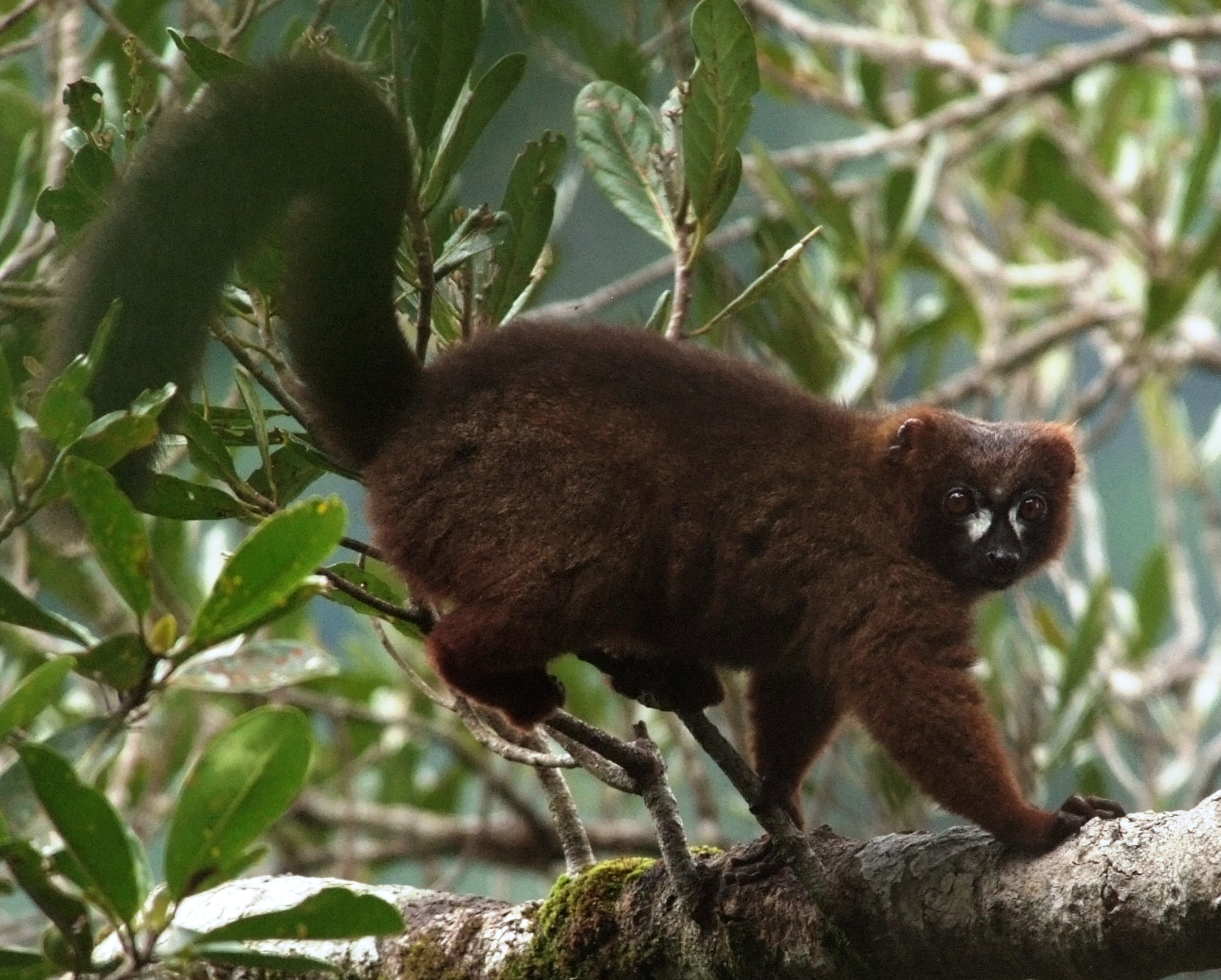
The mongoose lemur is a small primate in the family Lemuridae, native to Madagascar and introduced to the Comoros Islands. These arboreal animals have pointed faces, long, bushy tails, dark-brown upper parts, pale bellies, and beards, which are reddish in males and white in females. They live in family groups and feed primarily on fruit, but also eat leaves, flowers, and nectar, with nectar from Ceiba pentandra trees making up a large part of their diet during the dry season.
They have declined sharply in numbers because of habitat destruction and hunting, and the International Union for Conservation of Nature has rated their conservation status as "critically endangered".
The mongoose lemur faces severe population decline primarily due to extensive habitat destruction from slash-and-burn agriculture, logging, and charcoal production across its fragmented range in northwestern Madagascar and the Comoro Islands. Hunting pressure for bushmeat and the illegal pet trade has intensified as human populations grow, while introduced species compete for resources and alter ecosystem dynamics. Climate change compounds these pressures by affecting the seasonal fruiting patterns of native trees that mongoose lemurs depend on for food.
Habitat
Mongoose lemurs inhabit dry deciduous forests, gallery forests along rivers, and secondary forest fragments in northwestern Madagascar, with a small population also found in the humid forests of the Comoro Islands. They prefer forest canopies but adapt to degraded habitats, moving between forest patches in increasingly fragmented landscapes.
Conservation measures underway
Other threatened species in LEMURIDAE
Threatened in Comoros

Frequently asked questions
Why is Mongoose Lemur classified as Critically Endangered?
Where does Mongoose Lemur live?
What are the main threats to Mongoose Lemur?
Get weekly conservation intelligence
One short digest a week of the most striking species and country data we ship, plus breaking conservation news paired with our database where it matters.
Free, no spam. One-click unsubscribe in every email.