
Black-and-white Ruffed Lemur
Varecia variegata
Photo: Photo: Wikimedia Commons, CC BY-SA
Overview
A detailed profile for this species is sourced from the IUCN Red List of Threatened Species as assessments become available.
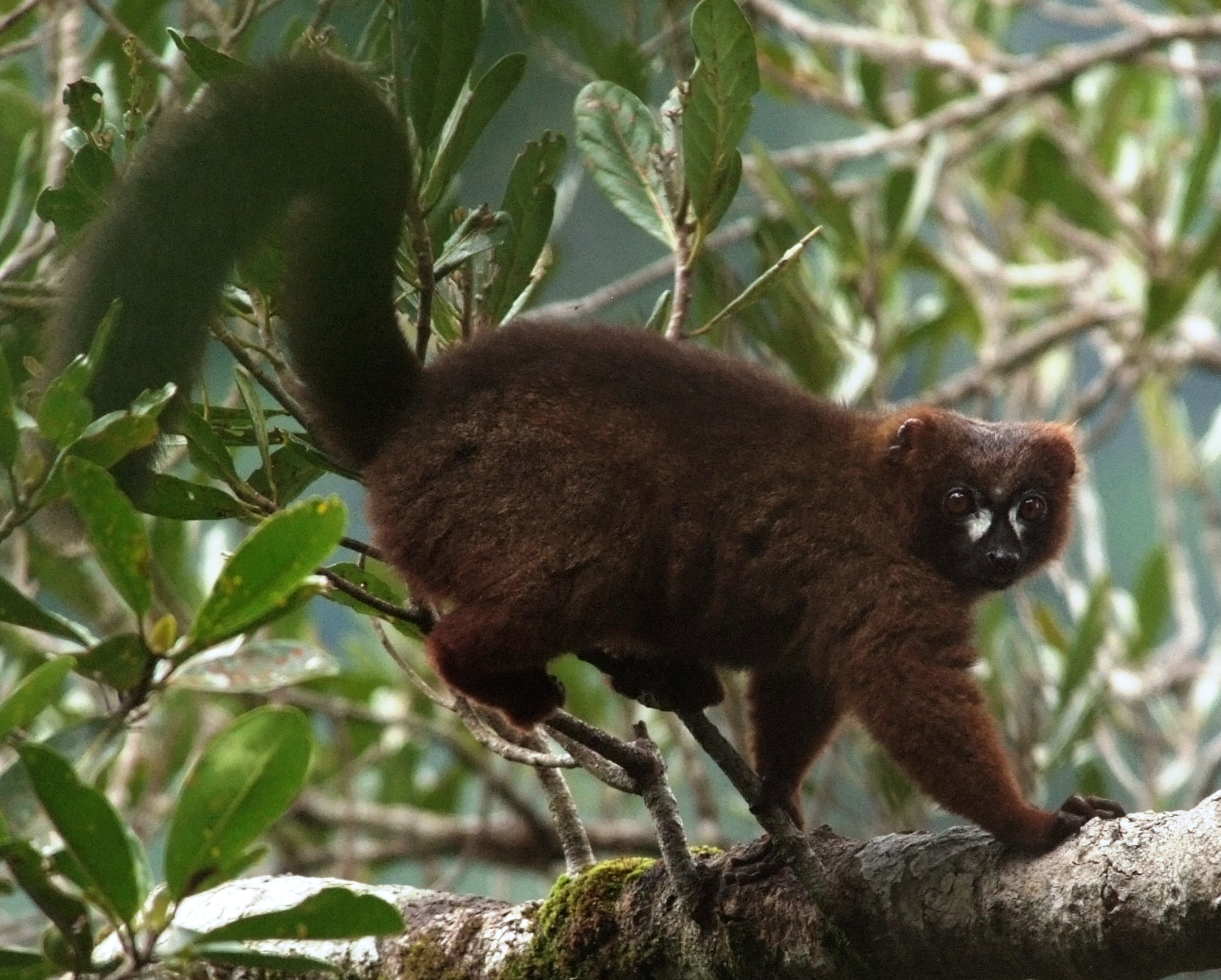
The Black-and-white Ruffed Lemur faces severe population decline primarily due to extensive deforestation and forest fragmentation across its eastern Madagascar range. Hunting pressure for bushmeat and capture for the illegal pet trade compound habitat loss, while cyclones and droughts increasingly disrupt breeding cycles and food availability. Mining activities and agricultural expansion continue to fragment the remaining forest corridors essential for this arboreal species' survival.
Habitat
Black-and-white Ruffed Lemurs inhabit the upper canopy of primary and secondary rainforests in eastern Madagascar, preferring areas with continuous forest cover and abundant fruiting trees. They require large territories with diverse tree species for their specialized frugivorous diet and are particularly dependent on intact forest corridors for movement between feeding areas.
Conservation measures underway
Other threatened species in LEMURIDAE
Threatened in Madagascar

Frequently asked questions
Why is Black-and-white Ruffed Lemur classified as Critically Endangered?
Where does Black-and-white Ruffed Lemur live?
What are the main threats to Black-and-white Ruffed Lemur?
Get weekly conservation intelligence
One short digest a week of the most striking species and country data we ship, plus breaking conservation news paired with our database where it matters.
Free, no spam. One-click unsubscribe in every email.