Linochilus frontinensis
Overview
A detailed profile for this species is sourced from the IUCN Red List of Threatened Species as assessments become available.
Linochilus frontinensis faces severe pressure from agricultural expansion and urban development within its restricted range in the Atlantic Forest region. Habitat fragmentation has isolated remaining populations, reducing genetic diversity and limiting dispersal opportunities. The species' specialized ecological requirements make it particularly vulnerable to environmental changes and human disturbance in its remaining forest fragments.
Habitat
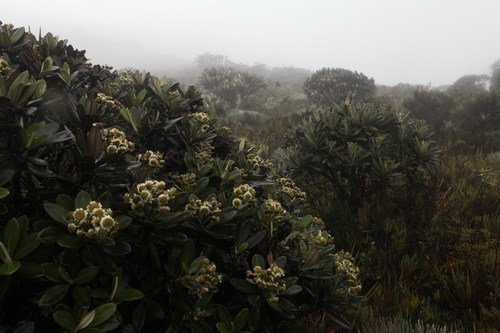
This species inhabits remnant Atlantic Forest fragments in southeastern Brazil, typically found in humid montane forests with dense canopy cover. It requires specific microhabitat conditions including leaf litter layers and stable moisture levels characteristic of undisturbed forest ecosystems.
Other threatened species in ASTERACEAE
Threatened in Colombia
Frequently asked questions
Why is Linochilus frontinensis classified as Endangered?
Where does Linochilus frontinensis live?
What are the main threats to Linochilus frontinensis?
Get weekly conservation intelligence
One short digest a week of the most striking species and country data we ship, plus breaking conservation news paired with our database where it matters.
Free, no spam. One-click unsubscribe in every email.