La Selle Long-legged Frog
Eleutherodactylus darlingtoni
Overview
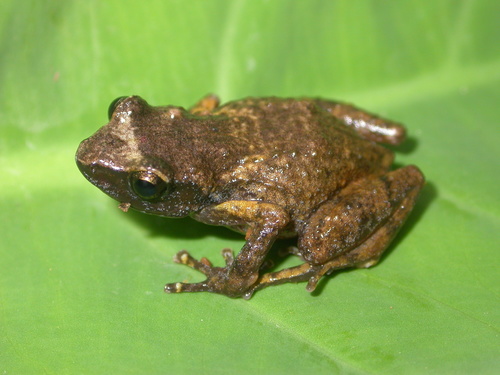
Eleutherodactylus darlingtoni is a species of frog in the family Eleutherodactylidae endemic to the Massif de la Selle, Haiti; it is expected to occur in the Dominican Republic. It is a rare species occurring in high-elevation pine forest. It is threatened by habitat loss; while the species occurs in the La Visite National Park, there is no active management for conservation, and the habitat loss continues in the park.
Eleutherodactylus darlingtoni faces severe threats from habitat destruction due to agricultural expansion and urban development in its limited range in the Dominican Republic. The species' extremely restricted distribution makes it particularly vulnerable to local environmental changes and human activities. Invasive species and potential disease outbreaks pose additional risks to the remaining populations.
Habitat
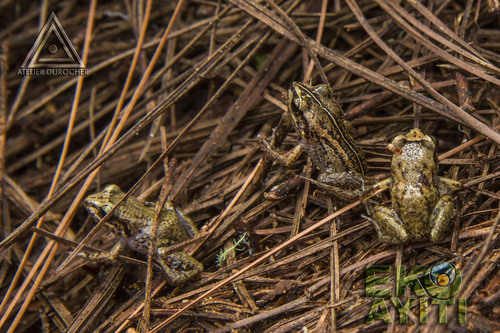
This species inhabits montane forests and forest edges in the Dominican Republic, typically found in leaf litter and low vegetation. It requires humid forest conditions with adequate ground cover for breeding and foraging.
Conservation measures underway
Other threatened species in ELEUTHERODACTYLIDAE

Threatened in Haiti
Frequently asked questions
Why is La Selle Long-legged Frog classified as Critically Endangered?
Where does La Selle Long-legged Frog live?
What are the main threats to La Selle Long-legged Frog?
Get weekly conservation intelligence
One short digest a week of the most striking species and country data we ship, plus breaking conservation news paired with our database where it matters.
Free, no spam. One-click unsubscribe in every email.