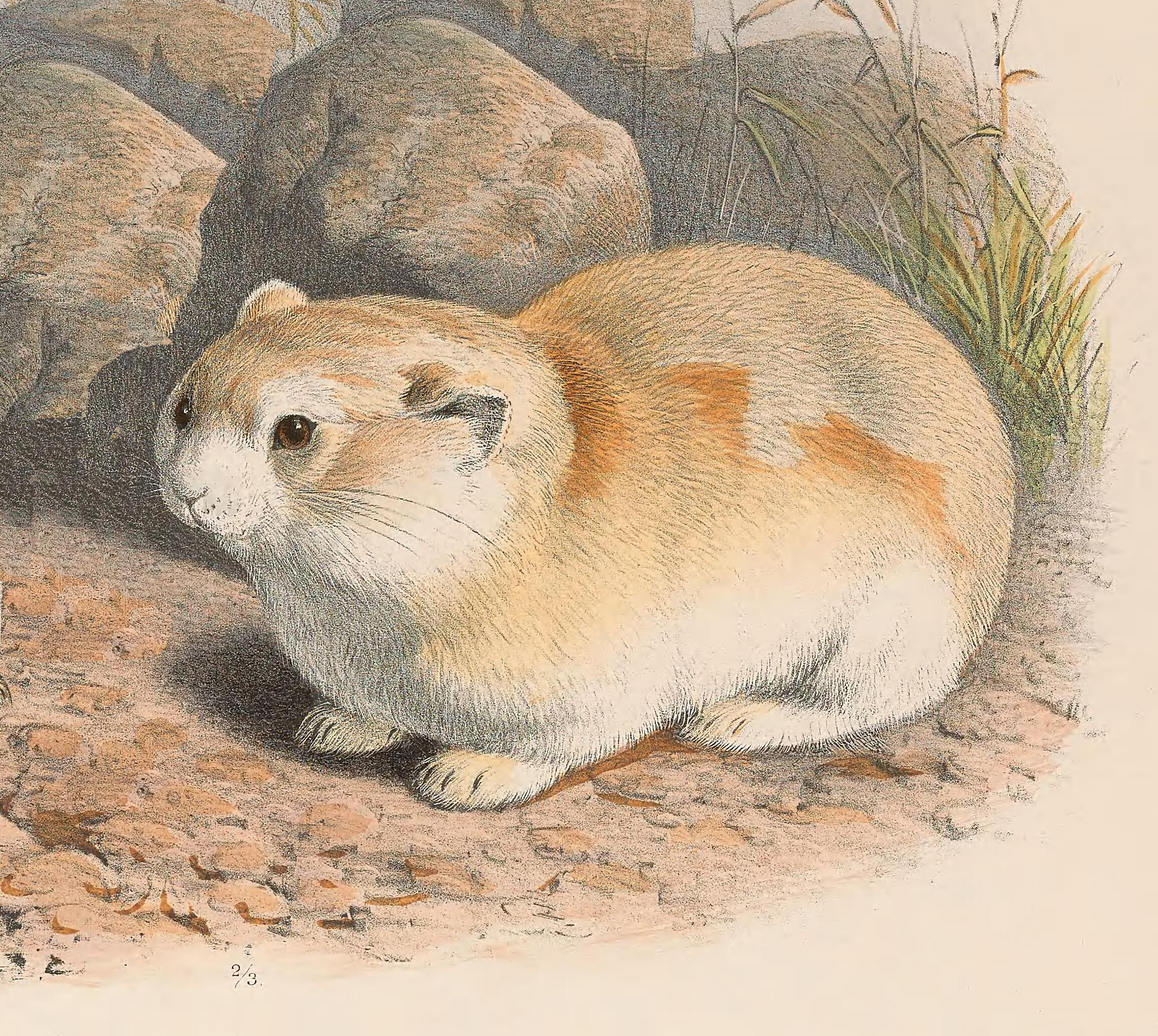
Kozlov's Pika
Ochotona koslowi
Photo: Wikimedia Commons (CC) via https://en.wikipedia.org/wiki/Koslov's_pika
Overview
A detailed profile for this species is sourced from the IUCN Red List of Threatened Species as assessments become available.
Koslov's pika faces severe population decline due to climate change-induced habitat shifts in the Tibetan Plateau's alpine zones. Rising temperatures are forcing the species to retreat to increasingly higher elevations, fragmenting populations and reducing available habitat. Overgrazing by livestock in traditional pastoral areas further degrades the alpine meadow ecosystems this pika depends upon for survival.
Habitat
Koslov's pika inhabits high-altitude alpine meadows and rocky slopes of the Tibetan Plateau, typically found at elevations between 3,200-4,500 meters. The species requires well-drained alpine grasslands with scattered rocks and boulders that provide shelter and nesting sites.
Conservation measures underway
Other threatened species in OCHOTONIDAE
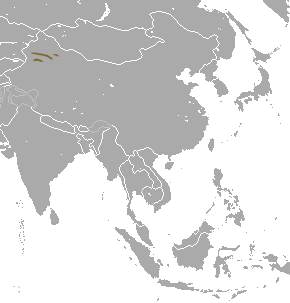


Threatened in China
Frequently asked questions
Why is Kozlov's Pika classified as Endangered?
Where does Kozlov's Pika live?
What are the main threats to Kozlov's Pika?
Get weekly conservation intelligence
One short digest a week of the most striking species and country data we ship, plus breaking conservation news paired with our database where it matters.
Free, no spam. One-click unsubscribe in every email.