Kemp's Ridley
Lepidochelys kempii
Overview
A detailed profile for this species is sourced from the IUCN Red List of Threatened Species as assessments become available.
Kemp's ridley sea turtle faces severe threats from incidental capture in shrimp trawling and other fishing operations, which remains the primary cause of mortality despite turtle excluder device requirements. Coastal development and beach armoring have eliminated or degraded critical nesting beaches, while oil spills and marine pollution continue to impact both nesting and foraging habitats. Climate change poses additional risks through rising sea levels affecting nesting beaches and altered ocean currents disrupting food webs.
Habitat
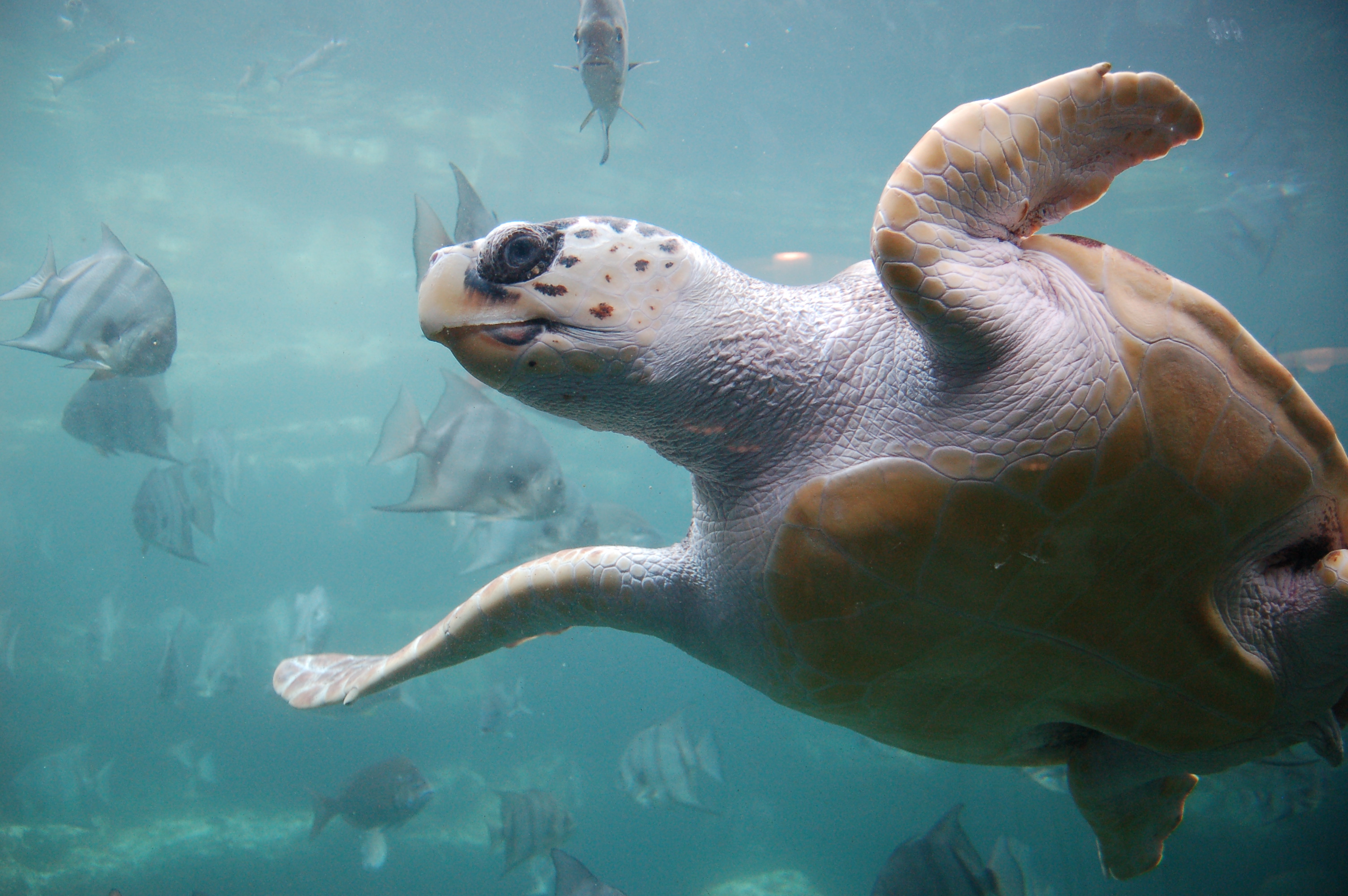
Kemp's ridley inhabits shallow coastal waters of the Gulf of Mexico, particularly nearshore areas with muddy and sandy bottoms where they forage for crabs and other benthic invertebrates. The species exhibits highly synchronized nesting behavior, with females coming ashore almost exclusively on a single beach at Rancho Nuevo, Tamaulipas, Mexico.
Conservation measures underway
Other threatened species in CHELONIIDAE

Threatened in Bermuda

Frequently asked questions
Why is Kemp's Ridley classified as Critically Endangered?
Where does Kemp's Ridley live?
What are the main threats to Kemp's Ridley?
Get weekly conservation intelligence
One short digest a week of the most striking species and country data we ship, plus breaking conservation news paired with our database where it matters.
Free, no spam. One-click unsubscribe in every email.