
Fuscopannaria confusa
Photo: Wikimedia Commons (CC) via https://en.wikipedia.org/wiki/Fuscopannaria_confusa
Overview
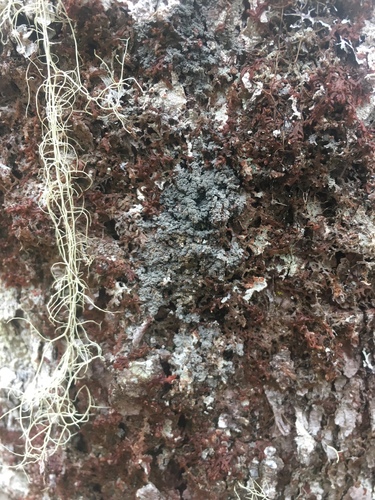
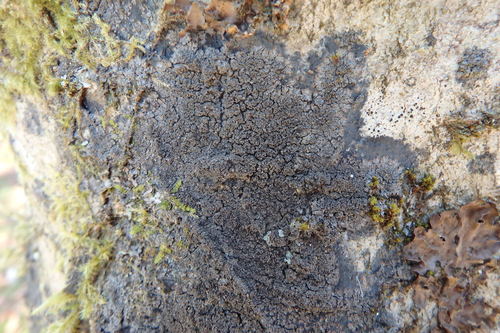
Fuscopannaria confusa is a species of squamulose lichen belonging to the family Pannariaceae.
Fuscopannaria confusa faces severe decline primarily due to air pollution and habitat degradation affecting the old-growth forests where it occurs. As a lichen species highly sensitive to atmospheric changes, it is particularly vulnerable to nitrogen deposition, sulfur compounds, and other airborne pollutants that alter its substrate chemistry and disrupt symbiotic relationships.
Habitat
Fuscopannaria confusa inhabits very humid environments within boreal forest ecosystems, with a particular preference for brook ravines and the spray zones near waterfalls. The species demonstrates a slightly continental distribution pattern, primarily occurring in central and eastern Norway, though ecological modeling suggests its potential range may extend further north. It is most commonly...
Other threatened species in Pannariaceae
Frequently asked questions
Why is Fuscopannaria confusa classified as Endangered?
Where does Fuscopannaria confusa live?
What are the main threats to Fuscopannaria confusa?
Get weekly conservation intelligence
One short digest a week of the most striking species and country data we ship, plus breaking conservation news paired with our database where it matters.
Free, no spam. One-click unsubscribe in every email.