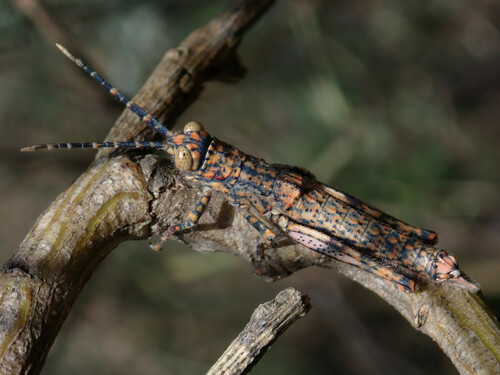
Gomera Stick Grasshopper
Acrostira bellamyi
Photo: Photo: (c) Volker Boehlke, some rights reserved (CC BY-NC), uploaded by Volker Boehlke
Overview
Acrostira bellamyi is a critically endangered gastropod mollusk endemic to specific freshwater habitats. This aquatic snail species has an extremely limited distribution range, making it particularly vulnerable to environmental changes and human activities. The species inhabits freshwater systems where it plays a role in the aquatic ecosystem as both a grazer and prey species.
Its restricted range and specialized habitat requirements have contributed to its precarious conservation status. The primary threats facing A. bellamyi include habitat degradation, water pollution, and hydrological modifications to its freshwater environment.
Agricultural runoff, urban development, and changes to water flow patterns have significantly impacted the quality and availability of suitable habitat. Climate change poses additional challenges through altered precipitation patterns and temperature fluctuations that can affect water levels and quality. The species' limited dispersal ability means that local population extinctions are difficult to reverse through natural recolonization.
Conservation efforts for A. bellamyi focus on habitat protection and water quality management within its known range. Monitoring programs have been established to track population trends and assess the effectiveness of conservation measures.
Research into the species' ecological requirements continues to inform management strategies. Collaboration between conservation organizations, government agencies, and local stakeholders is essential for implementing effective protection measures. The critically endangered status of A.
bellamyi highlights the urgent need for comprehensive conservation action to prevent extinction of this unique freshwater gastropod.
Acrostira bellamyi faces severe threats from habitat degradation and water pollution affecting its freshwater environment. Agricultural runoff, urban development, and modifications to natural water flow patterns have significantly reduced the quality and availability of suitable habitat. The species' extremely limited distribution range makes it particularly vulnerable to local environmental changes and human activities.
Habitat
Acrostira bellamyi inhabits specific freshwater systems with particular water quality and flow requirements. The species is adapted to specialized aquatic conditions within its restricted geographic range.
Conservation measures underway
Other threatened species in PAMPHAGIDAE
Threatened in Spain
Frequently asked questions
Why is Gomera Stick Grasshopper classified as Critically Endangered?
Where does Gomera Stick Grasshopper live?
What are the main threats to Gomera Stick Grasshopper?
Get weekly conservation intelligence
One short digest a week of the most striking species and country data we ship, plus breaking conservation news paired with our database where it matters.
Free, no spam. One-click unsubscribe in every email.