
Chignahuapan Silverside
Poblana ferdebueni
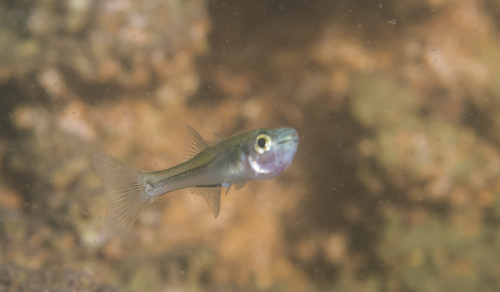
Photo: Wikimedia Commons (CC) via https://en.wikipedia.org/wiki/Poblana_ferdebueni
Overview
A detailed profile for this species is sourced from the IUCN Red List of Threatened Species as assessments become available.
Poblana ferdebueni faces severe threats from water extraction and pollution in its extremely limited range within the Lerma River system of central Mexico. Agricultural runoff and urban development have degraded water quality, while dam construction and water diversions have altered natural flow patterns. The species' restriction to a single watershed makes it exceptionally vulnerable to any environmental changes or catastrophic events.
Habitat
This endemic fish inhabits freshwater streams and rivers within the Lerma River basin in central Mexico. It requires clean, well-oxygenated waters with specific flow characteristics typical of highland Mexican river systems.
Other threatened species in ATHERINIDAE

Threatened in Mexico
Frequently asked questions
Why is Chignahuapan Silverside classified as Critically Endangered?
Where does Chignahuapan Silverside live?
What are the main threats to Chignahuapan Silverside?
Get weekly conservation intelligence
One short digest a week of the most striking species and country data we ship, plus breaking conservation news paired with our database where it matters.
Free, no spam. One-click unsubscribe in every email.