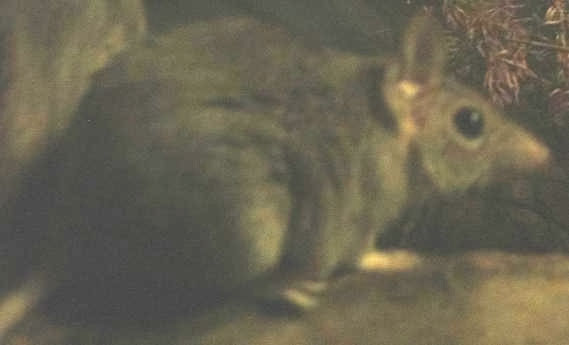
Fawn Antechinus
Antechinus bellus
Photo: Wikimedia Commons (CC) via https://en.wikipedia.org/wiki/Fawn_antechinus
Overview
Antechinus bellus is a small carnivorous marsupial characterised by a slender body, reddish-brown to fawn-coloured fur, and a pointed snout typical of the genus. Like other antechinus species, it exhibits a distinctive reproductive strategy known as semelparity, in which males die shortly after a single intense breeding season due to physiological stress from mating effort. Individuals are nocturnal and largely solitary outside of breeding, foraging on the ground and in tree hollows for invertebrates such as insects and spiders.
As an insectivorous predator, the species contributes to the regulation of invertebrate populations within its ecosystem.
The species is endemic to northern Australia, occurring across the Top End of the Northern Territory. It inhabits eucalypt woodlands and forests, particularly areas with dense understorey vegetation, tree hollows, and abundant leaf litter or fallen timber that provide shelter and foraging substrate.
Population decline is primarily linked to altered fire regimes. Frequent, high-intensity fires — including those associated with changed land management practices and fire suppression that allows fuel build-up followed by severe burns — degrade understorey structure and reduce hollow-bearing trees essential for shelter and nesting. Predation by introduced species, particularly feral cats, compounds these pressures, especially in landscapes recently burned and offering reduced cover.
Conservation efforts include research into fire management regimes aimed at maintaining habitat mosaics with patches of long-unburnt vegetation, monitoring of population trends across its range, and broader feral predator control programs implemented across northern Australia. Protected areas within its range, including conservation reserves, provide some habitat security.
The population is currently assessed as decreasing, and the species' restricted range combined with ongoing fire and predation pressures suggest continued vulnerability without sustained management intervention.
The Fawn Antechinus faces ongoing danger from bushfires and altered fire patterns that damage the woodland habitat it depends on. It is also threatened by invasive species, such as introduced predators and competing animals, which can prey on or displace this small marsupial. Both of these threats are currently ongoing and show no signs of easing.
Conservation measures underway
Other threatened species in DASYURIDAE
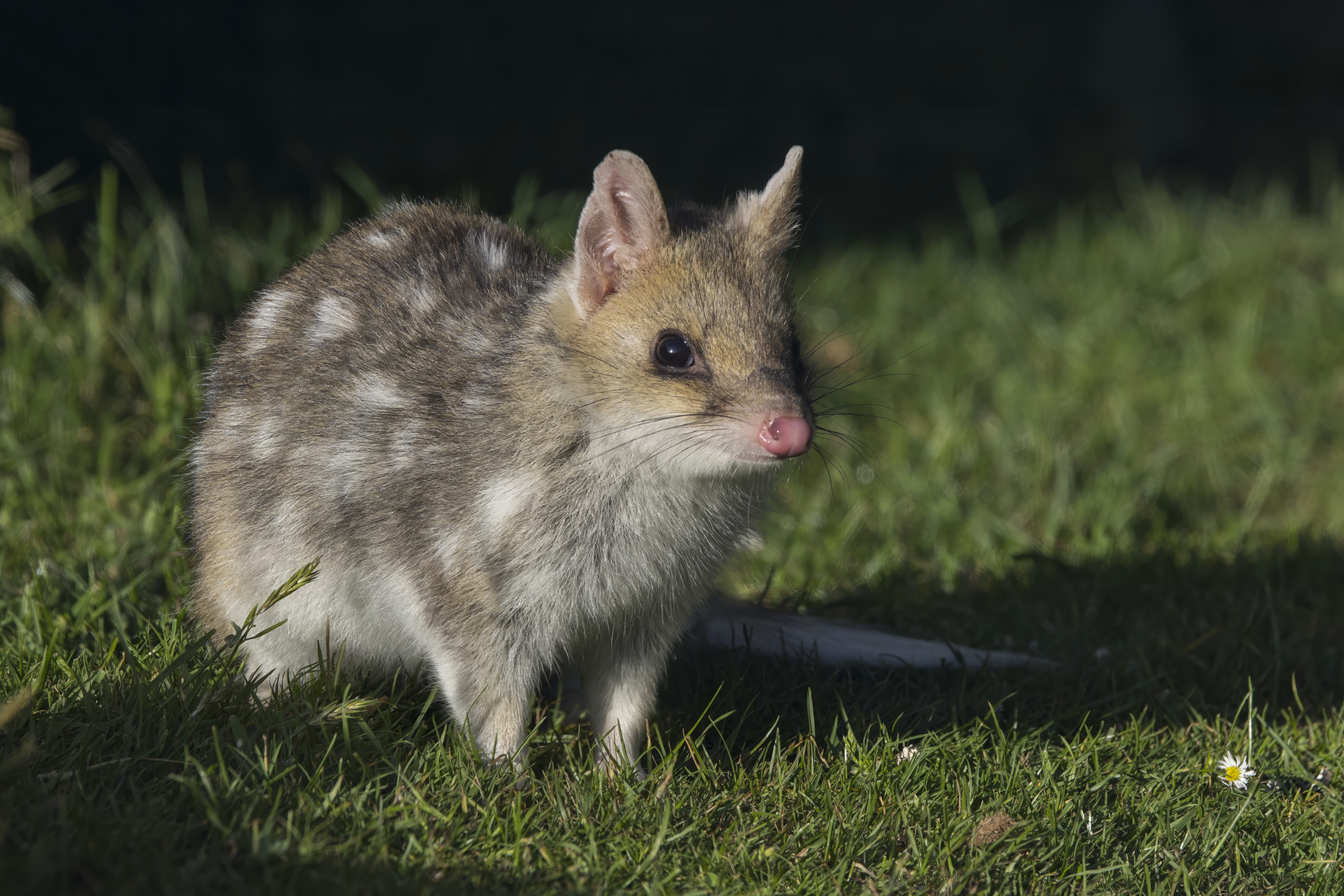

Threatened in Australia
Frequently asked questions
Why is Fawn Antechinus classified as Vulnerable?
Where does Fawn Antechinus live?
What are the main threats to Fawn Antechinus?
Get weekly conservation intelligence
One short digest a week of the most striking species and country data we ship, plus breaking conservation news paired with our database where it matters.
Free, no spam. One-click unsubscribe in every email.