Phlebopus bruchii
Overview
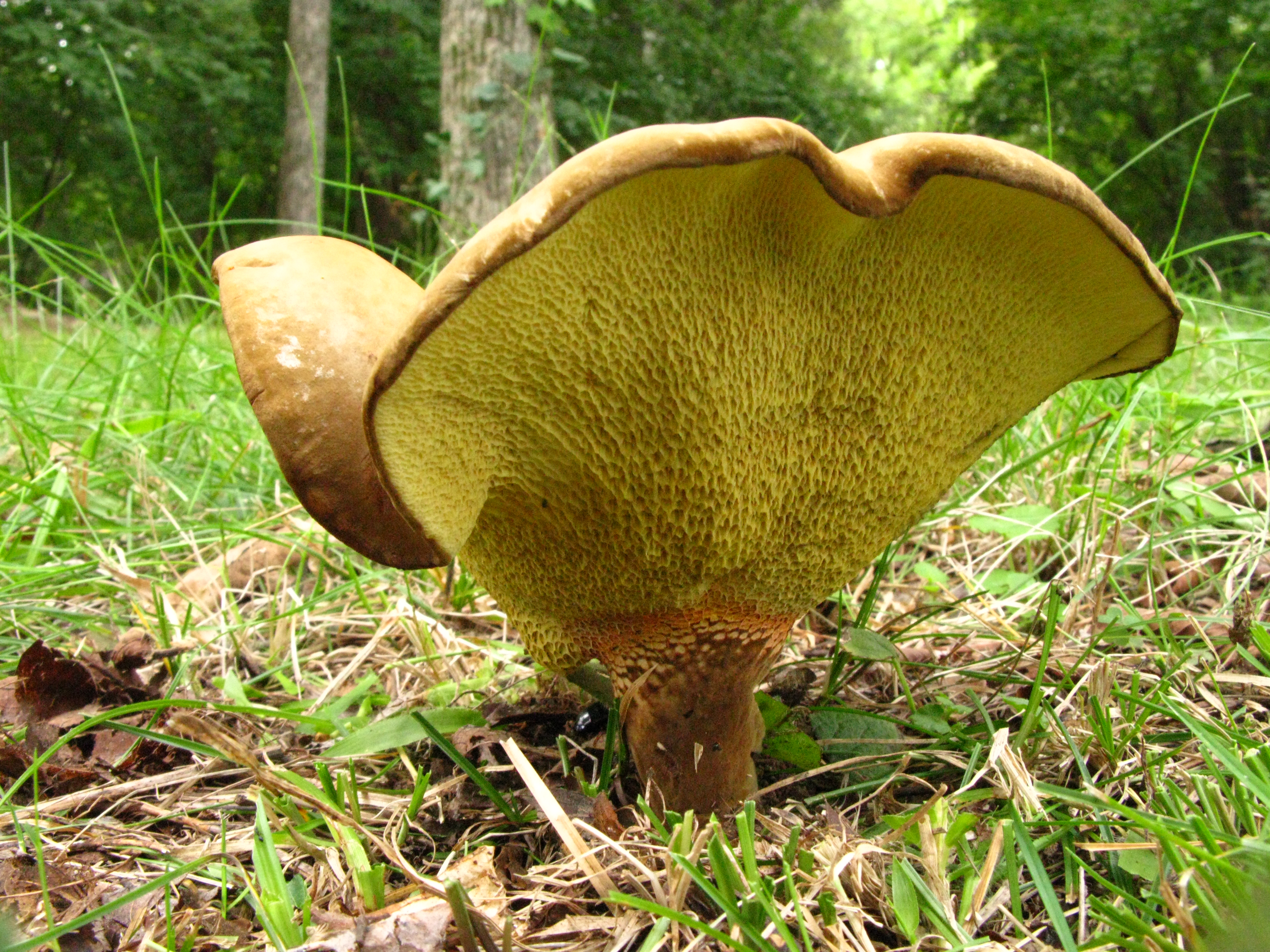
Phlebopus bruchii is a rare ectomycorrhizal fungus species belonging to the bolete family. This fungus forms symbiotic relationships with tree roots, playing a crucial role in forest ecosystem health by facilitating nutrient exchange between soil and host plants. The species is characterized by its distinctive fruiting bodies and specific ecological requirements that limit its distribution to particular forest environments.
Phlebopus bruchii is currently classified as Critically Endangered due to its extremely limited range and declining population trends. The species faces significant threats from habitat destruction, particularly deforestation and forest fragmentation that disrupts the delicate ecological relationships necessary for its survival. Climate change poses additional challenges by altering temperature and moisture conditions that the fungus requires for reproduction and growth.
Urban development and agricultural expansion have further reduced suitable habitat areas. The species' dependence on specific host tree species makes it particularly vulnerable to changes in forest composition. Conservation efforts for Phlebopus bruchii focus on habitat protection and forest ecosystem preservation.
Research initiatives aim to better understand the species' ecological requirements and distribution patterns to inform targeted conservation strategies. Ex-situ conservation approaches, including spore banking and cultivation techniques, are being explored to maintain genetic diversity. Collaboration between mycologists, forest managers, and conservation organizations is essential for developing comprehensive protection measures for this critically endangered fungus and its associated forest ecosystems.
Phlebopus bruchii faces severe threats from habitat destruction through deforestation and forest fragmentation, which disrupts the symbiotic relationships essential for its survival. Climate change compounds these pressures by altering the temperature and moisture conditions required for the species' growth and reproduction. Urban development and agricultural expansion continue to reduce the limited suitable habitat areas where this critically endangered fungus can persist.
Habitat
Phlebopus bruchii inhabits specific forest environments where it forms ectomycorrhizal associations with particular tree species. The fungus requires stable forest ecosystems with appropriate soil conditions, moisture levels, and temperature ranges to support its complex ecological relationships.
Conservation measures underway
Other threatened species in BOLETINELLACEAE
Threatened in Argentina

Frequently asked questions
Why is Phlebopus bruchii classified as Critically Endangered?
Where does Phlebopus bruchii live?
What are the main threats to Phlebopus bruchii?
Get weekly conservation intelligence
One short digest a week of the most striking species and country data we ship, plus breaking conservation news paired with our database where it matters.
Free, no spam. One-click unsubscribe in every email.