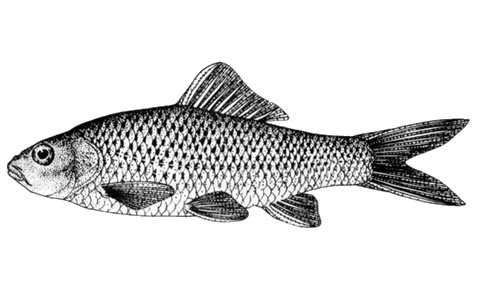
Dianchi Carp
Cyprinus micristius
Photo: Photo: (c) CAFS, some rights reserved (CC BY-NC)
Overview
Cyprinus micristius, the Dianchi carp, is a critically endangered species of ray-finned fish in the family Cyprinidae. It is found only in Lake Dianchi and its tributaries in Yunnan, China. The nominate subspecies from the lake itself has not been confirmed since the 1960s.
Cyprinus micristius faces severe population decline primarily due to habitat degradation from agricultural runoff and water extraction in its native river systems. Dam construction has fragmented remaining populations and altered natural flow regimes essential for spawning. Introduced species compete for resources and may hybridize with native populations, further threatening genetic integrity.
Habitat
This freshwater cyprinid inhabits slow-flowing rivers and associated wetlands in temperate regions. It prefers areas with soft substrates and moderate vegetation cover for feeding and spawning.
Other threatened species in CYPRINIDAE
Threatened in China
Frequently asked questions
Why is Dianchi Carp classified as Critically Endangered?
Where does Dianchi Carp live?
What are the main threats to Dianchi Carp?
Get weekly conservation intelligence
One short digest a week of the most striking species and country data we ship, plus breaking conservation news paired with our database where it matters.
Free, no spam. One-click unsubscribe in every email.