Cotula myriophylloides
Overview
Cotula myriophylloides is a small, finely divided perennial herb in the daisy family (Asteraceae), notable for its delicate, fern-like leaves that give the plant a feathery, silvery-green appearance typical of many southern African Cotula species. It is endemic to a narrow range within South Africa, where it grows in specialized wetland or seasonally moist habitats that provide the particular hydrological conditions this species depends upon for germination and growth. Cotula myriophylloides is classified as Critically Endangered (CR) by the IUCN, reflecting an extremely restricted geographic range and the ongoing degradation of the few sites where it persists.
Its precarious status stems largely from habitat specificity: as a plant tied to limited wetland or seep microhabitats, it is highly vulnerable to any disturbance that alters local water availability or soil conditions, leaving very little room for the species to adapt or disperse to new areas. Agricultural expansion, water table changes, and encroachment by invasive vegetation are among the pressures known to affect similar narrow-range wetland flora in the region, compounding the species' already fragile foothold. Population trend data remain unknown, underscoring the urgent need for renewed field surveys to establish a current baseline and monitor change over time.
On a positive note, the species' formal CR listing has drawn attention from regional botanists and conservation bodies, and its inclusion in national red list assessments has helped flag its habitat for consideration in broader wetland protection and restoration planning. Continued botanical surveys, targeted habitat protection, and ex situ seed banking represent practical steps that could meaningfully improve this species' long-term prospects if implemented soon.
Cotula myriophylloides faces severe threats from habitat destruction due to urban development and agricultural expansion in its limited range. The species is particularly vulnerable to water pollution and wetland drainage, which directly impacts its aquatic and semi-aquatic habitat requirements. Climate change poses additional risks through altered precipitation patterns that could dry up the seasonal water bodies this species depends upon.
Habitat
This species inhabits seasonal pools, shallow wetlands, and marshy areas with fluctuating water levels. It typically grows in muddy or sandy substrates along the margins of temporary water bodies and in areas that experience periodic flooding and drying cycles.
Other threatened species in ASTERACEAE
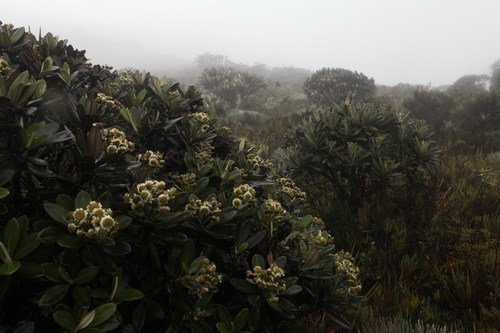
Threatened in South Africa


Frequently asked questions
Why is Cotula myriophylloides classified as Critically Endangered?
Where does Cotula myriophylloides live?
What are the main threats to Cotula myriophylloides?
Get weekly conservation intelligence
One short digest a week of the most striking species and country data we ship, plus breaking conservation news paired with our database where it matters.
Free, no spam. One-click unsubscribe in every email.