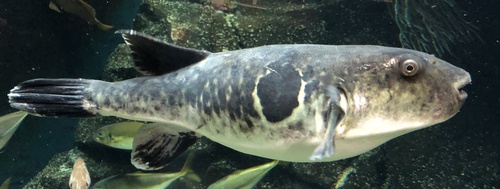
Chinese Puffer
Takifugu chinensis
Photo: Photo: (c) Totti, some rights reserved (CC BY-SA)
Overview
Takifugu chinensis, commonly known as the Chinese pufferfish or Chinese fugu, is a marine fish species endemic to the coastal waters of China and surrounding regions in the Northwest Pacific. This small to medium-sized pufferfish inhabits shallow coastal waters, estuaries, and nearshore marine environments along the Chinese coast. Like other members of the Takifugu genus, T.
chinensis possesses the characteristic ability to inflate its body when threatened and contains tetrodotoxin, making it both ecologically significant and culturally important as a delicacy in East Asian cuisine. The species has experienced severe population declines due to multiple anthropogenic pressures. Overfishing represents a primary threat, driven by high market demand for pufferfish in culinary markets, particularly in China, Japan, and Korea.
Coastal development and habitat degradation have significantly reduced suitable spawning and nursery areas, while water pollution from industrial and agricultural sources has compromised water quality in critical habitats. Climate change effects, including rising sea temperatures and ocean acidification, pose additional stresses on remaining populations. The species' restricted geographic range makes it particularly vulnerable to localized threats.
Conservation efforts include fishing regulations and quotas in some areas, habitat protection measures for critical coastal zones, and aquaculture programs aimed at reducing pressure on wild populations. However, enforcement challenges and continued habitat loss have limited the effectiveness of these measures, necessitating more comprehensive conservation strategies to prevent extinction.
Takifugu chinensis faces severe threats from overfishing driven by high culinary demand, coastal habitat destruction from development, and water pollution. Climate change effects including warming waters and ocean acidification compound these pressures on the species' already restricted range.
Habitat
This species inhabits shallow coastal waters, estuaries, and nearshore marine environments along the Chinese coast and Northwest Pacific region. It typically occurs in areas with soft substrates and moderate water depths where it can find suitable feeding and spawning conditions.
Conservation measures underway
Other threatened species in TETRAODONTIDAE
Threatened in China
Frequently asked questions
Why is Chinese Puffer classified as Critically Endangered?
Where does Chinese Puffer live?
What are the main threats to Chinese Puffer?
Get weekly conservation intelligence
One short digest a week of the most striking species and country data we ship, plus breaking conservation news paired with our database where it matters.
Free, no spam. One-click unsubscribe in every email.