Centaurea corensis
Overview
Centaurea corensis is a perennial herbaceous plant belonging to the Asteraceae (daisy) family, part of the diverse and taxonomically complex Centaurea genus known for its thistle-like flower heads and deeply lobed foliage. Like many members of this genus, it likely produces composite flower heads with pink to purple florets surrounded by spiny or bracted involucres, adapted to the arid and rocky terrain of its native range. This species is endemic to the Falcón region of northwestern Venezuela, where it is restricted to a narrow band of xeric scrubland and rocky outcrops, substrates that support a distinctive assemblage of drought-adapted flora found nowhere else on Earth.
Its highly localized distribution makes it exceptionally vulnerable to any disturbance within its limited range. Centaurea corensis is classified as Critically Endangered (CR) by the IUCN, with a decreasing population trend reflecting ongoing pressure on its restricted habitat. Ongoing threats include habitat degradation from agricultural expansion, livestock grazing, and infrastructure development in the Coro area, which continue to fragment the small remaining pockets of suitable habitat.
Because so few individuals and populations are thought to persist, the species faces heightened extinction risk from stochastic events such as localized droughts or land-use changes. On a more encouraging note, increased botanical interest in Venezuela's endemic xerophytic flora has drawn attention to conservation needs in the Falcón region, and herbarium records continue to inform efforts to map and protect remaining populations. Continued documentation of this species by regional botanists offers a foundation for future targeted conservation planning, including potential habitat protection measures and seed banking initiatives that could help secure its long-term survival.
Centaurea corensis faces severe threats from agricultural expansion and intensive grazing pressure across its extremely limited range in the Mediterranean region. Urban development and infrastructure projects have further fragmented the remaining populations, while invasive plant species compete for the specialized habitat conditions this endemic requires. Climate change poses an additional long-term threat through altered precipitation patterns and increased drought frequency in its already restricted distribution.
Habitat
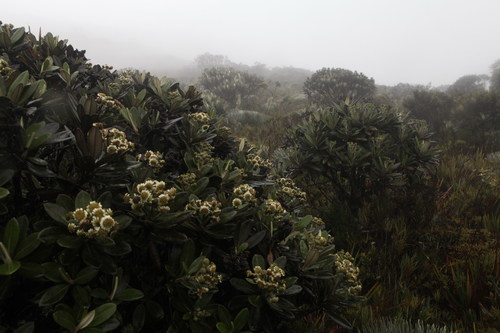
This endemic species occupies dry grasslands, rocky slopes, and Mediterranean scrubland at moderate elevations. It typically grows in calcareous soils with good drainage, often in areas with sparse vegetation cover and seasonal moisture availability.
Conservation measures underway
Other threatened species in ASTERACEAE
Threatened in Italy
Frequently asked questions
Why is Centaurea corensis classified as Critically Endangered?
Where does Centaurea corensis live?
What are the main threats to Centaurea corensis?
Get weekly conservation intelligence
One short digest a week of the most striking species and country data we ship, plus breaking conservation news paired with our database where it matters.
Free, no spam. One-click unsubscribe in every email.