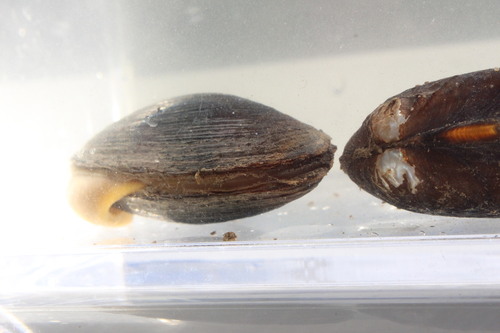
Castalia martensi
Overview
A detailed profile for this species is sourced from the IUCN Red List of Threatened Species as assessments become available.
Castalia martensi faces severe pressure from dam construction and water diversions that alter natural flow regimes essential for its filter-feeding lifestyle. Agricultural runoff introduces pesticides and excess nutrients that degrade water quality in its freshwater habitats. Sedimentation from upstream land use changes buries the substrate where this mussel anchors and feeds, while invasive species compete for resources and space.
Habitat
This freshwater mussel inhabits clean, flowing rivers and streams with sandy or gravelly substrates in temperate regions. It requires well-oxygenated water with stable flow patterns to maintain its filter-feeding behavior and reproductive cycle.
Other threatened species in HYRIIDAE
Frequently asked questions
Why is Castalia martensi classified as Vulnerable?
Where does Castalia martensi live?
What are the main threats to Castalia martensi?
Get weekly conservation intelligence
One short digest a week of the most striking species and country data we ship, plus breaking conservation news paired with our database where it matters.
Free, no spam. One-click unsubscribe in every email.