Cape York Rock Wallaby
Petrogale coenensis
Overview
A medium-sized macropod endemic to Cape York Peninsula in far north Queensland, this rock wallaby is characterised by powerful hind limbs, a long balancing tail, and roughened, granular soles that provide grip on steep rock surfaces. It is predominantly nocturnal and crepuscular, sheltering by day in caves, crevices, and boulder piles, and emerging to graze on grasses and browse on shrubs at night. Highly agile among rocky outcrops, it plays a role in local seed dispersal and vegetation turnover within its habitat, and serves as a prey source for native predators.
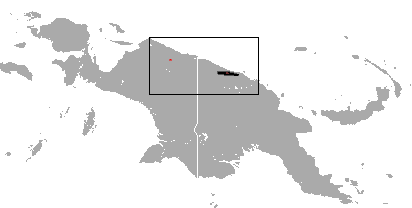
Its range is restricted to isolated rocky escarpments, boulder fields, and gorge systems associated with permanent rivers and streams in the wetter, more rugged pockets of Cape York. This patchy distribution across disjunct rock formations naturally limits population connectivity.
The species faces ongoing pressure from livestock grazing, which degrades understorey vegetation and food availability near rock habitats. Altered fire regimes, including both frequent intense burns and fire suppression, change vegetation structure and reduce shelter and forage quality. Invasive species, including predators and competitors introduced to the region, add further pressure, particularly on smaller or isolated colonies with limited capacity to recover from losses.
Conservation attention has focused on monitoring known colonies, managing fire regimes to protect refuge vegetation, and addressing feral animal impacts in parts of its range. Habitat protection within existing reserves and pastoral land management adjustments have also been discussed as mitigation options.
The population is classified as Endangered with a decreasing trend. Given the combination of restricted, fragmented habitat and multiple ongoing pressures, the long-term outlook remains uncertain, with continued monitoring and threat management considered necessary to prevent further decline.
The Cape York Rock Wallaby faces ongoing pressure from cattle and livestock grazing that damages its rocky habitat and surrounding vegetation, along with fires that alter the landscape it depends on. It also contends with invasive species, which may include introduced predators or competing animals that threaten its survival. These threats are all currently ongoing and appear to be stable rather than increasing or decreasing based on available information.
Habitat
Conservation measures underway
Other threatened species in MACROPODIDAE


Threatened in Australia
Frequently asked questions
Why is Cape York Rock Wallaby classified as Endangered?
Where does Cape York Rock Wallaby live?
What are the main threats to Cape York Rock Wallaby?
Get weekly conservation intelligence
One short digest a week of the most striking species and country data we ship, plus breaking conservation news paired with our database where it matters.
Free, no spam. One-click unsubscribe in every email.