Caloplaca conjungens
Overview
A detailed profile for this species is sourced from the IUCN Red List of Threatened Species as assessments become available.
Caloplaca conjungens faces severe threats from coastal development and infrastructure projects that destroy its specialized rocky shore habitats. Rising sea levels and increased storm intensity due to climate change pose additional risks by altering the precise tidal zone conditions this lichen requires. Air pollution from nearby urban areas may also compromise the species' ability to photosynthesize effectively in its already restricted range.
Habitat
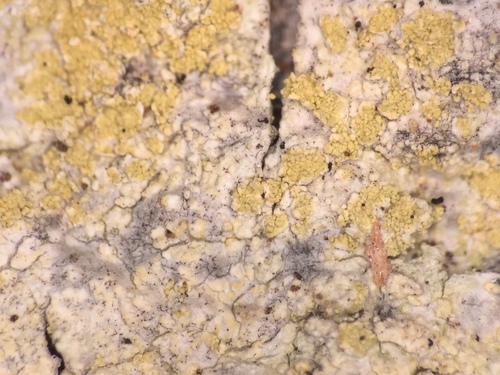
This critically endangered lichen species inhabits specific rocky coastal environments, typically growing on maritime rocks and cliffs within the spray zone of temperate shorelines. It requires precise conditions where salt spray meets terrestrial substrates, making it highly vulnerable to coastal changes.
Other threatened species in Teloschistaceae

Frequently asked questions
Why is Caloplaca conjungens classified as Critically Endangered?
Where does Caloplaca conjungens live?
What are the main threats to Caloplaca conjungens?
Get weekly conservation intelligence
One short digest a week of the most striking species and country data we ship, plus breaking conservation news paired with our database where it matters.
Free, no spam. One-click unsubscribe in every email.