
Blunthead Salamander
Ambystoma amblycephalum
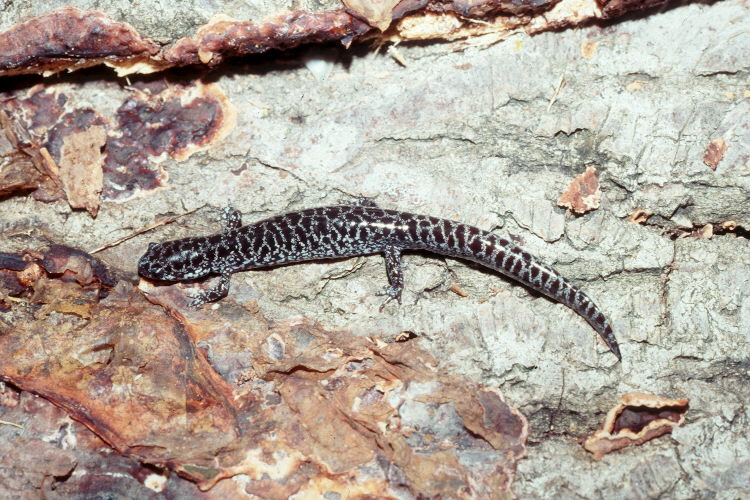
Photo: Wikimedia Commons (CC) via https://en.wikipedia.org/wiki/Blunt-headed_salamander
Overview
A detailed profile for this species is sourced from the IUCN Red List of Threatened Species as assessments become available.
Ambystoma amblycephalum faces severe population decline primarily due to habitat destruction from urban expansion and agricultural conversion in its limited range within the Trans-Mexican Volcanic Belt. Water pollution and sedimentation from agricultural runoff have degraded the aquatic breeding sites essential for reproduction. The species' restricted distribution makes it particularly vulnerable to localized threats, with remaining populations fragmented across isolated highland lakes and ponds.
Habitat
This salamander inhabits high-altitude lakes, ponds, and associated wetlands in the Trans-Mexican Volcanic Belt at elevations between 2,000-3,000 meters. It requires clean, well-oxygenated aquatic environments with minimal disturbance for successful breeding and larval development.
Conservation measures underway
Other threatened species in AMBYSTOMATIDAE

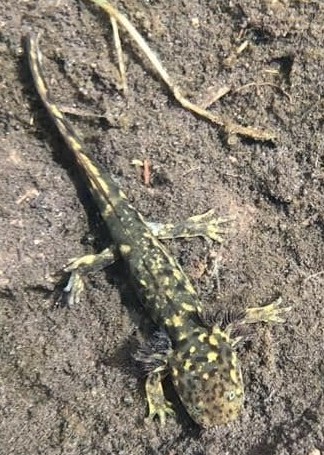
Threatened in Mexico
Frequently asked questions
Why is Blunthead Salamander classified as Critically Endangered?
Where does Blunthead Salamander live?
What are the main threats to Blunthead Salamander?
Get weekly conservation intelligence
One short digest a week of the most striking species and country data we ship, plus breaking conservation news paired with our database where it matters.
Free, no spam. One-click unsubscribe in every email.