Basselinia vestita
Overview
A detailed profile for this species is sourced from the IUCN Red List of Threatened Species as assessments become available.
Basselinia vestita faces severe threats from mining activities and infrastructure development across its extremely limited range in New Caledonia. The species' restriction to ultramafic soils makes it particularly vulnerable to nickel mining operations, which directly destroy its specialized habitat. Forest degradation from invasive plant species and fire further compounds the pressure on remaining populations.
Habitat
This endemic palm occurs exclusively in humid forests on ultramafic soils in New Caledonia. It is restricted to specific geological formations with high concentrations of heavy metals, growing in the understory of specialized maquis and forest communities adapted to these nutrient-poor, toxic substrates.
Conservation measures underway
Other threatened species in ARECACEAE
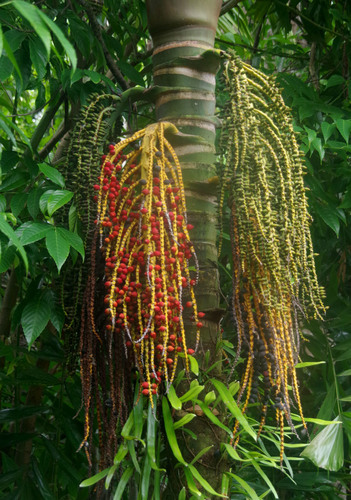
Threatened in New Caledonia
Frequently asked questions
Why is Basselinia vestita classified as Critically Endangered?
Where does Basselinia vestita live?
What are the main threats to Basselinia vestita?
Get weekly conservation intelligence
One short digest a week of the most striking species and country data we ship, plus breaking conservation news paired with our database where it matters.
Free, no spam. One-click unsubscribe in every email.