CRCritically Endangered
Tetramolopium remyi
Declining
Overview
A detailed profile for this species is sourced from the IUCN Red List of Threatened Species as assessments become available.
Habitat
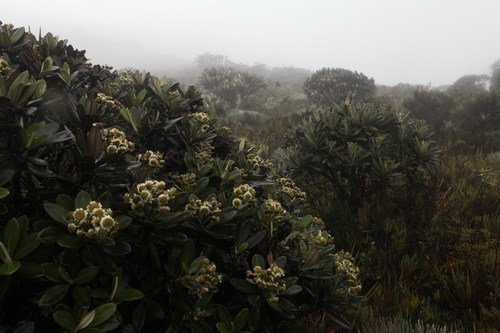
This species is restricted to high-elevation dry shrublands and subalpine zones on Maui, typically growing in rocky volcanic slopes and cinder fields between 2,000 and 3,000 meters elevation. The harsh environment is characterized by extreme temperature fluctuations, low annual precipitation, and nutrient-poor volcanic soils.
TERRESTRIAL· major
Conservation measures underway
Site/area protectionEx-situ conservation
Other threatened species in ASTERACEAE
Threatened in United States
Frequently asked questions
Why is Tetramolopium remyi classified as Critically Endangered?
Tetramolopium remyi is classified as Critically Endangered — facing an extremely high risk of extinction in the wild — because population sizes are very small, declining sharply, or restricted to a tiny range, per the IUCN Red List assessment recorded in the SpeciesRadar database.
Where does Tetramolopium remyi live?
Tetramolopium remyi occurs in United States. Country-level distribution data is sourced from the IUCN Red List and cross-referenced with GBIF occurrences.
What are the main threats to Tetramolopium remyi?
The main threats to Tetramolopium remyi are 11.1, 11.2, 5.3, and 7.1. The full IUCN-classified threat record for this species is detailed on the species page.
Get weekly conservation intelligence
One short digest a week of the most striking species and country data we ship, plus breaking conservation news paired with our database where it matters.
Free, no spam. One-click unsubscribe in every email.