Attalea iguadummat
Overview
A detailed profile for this species is sourced from the IUCN Red List of Threatened Species as assessments become available.
Attalea iguadummat faces severe pressure from agricultural expansion and cattle ranching activities that fragment and destroy its native palm forest habitat. Selective harvesting of mature palms for construction materials and palm heart extraction has reduced reproductive populations, while infrastructure development continues to isolate remaining stands and limit natural regeneration.
Habitat
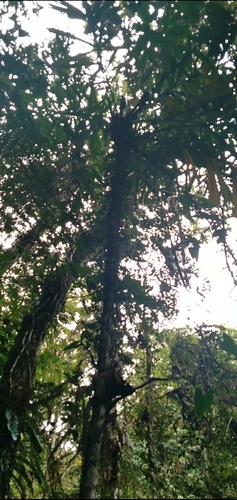
This palm species inhabits lowland tropical forests and forest edges in the Amazon basin, typically growing in well-drained soils along riverbanks and in gallery forests. It occurs in both primary and secondary forest formations, often forming small scattered populations within the broader forest matrix.
Other threatened species in Arecaceae
Threatened in Colombia
Frequently asked questions
Why is Attalea iguadummat classified as Vulnerable?
Where does Attalea iguadummat live?
What are the main threats to Attalea iguadummat?
Get weekly conservation intelligence
One short digest a week of the most striking species and country data we ship, plus breaking conservation news paired with our database where it matters.
Free, no spam. One-click unsubscribe in every email.