
CRCritically Endangered
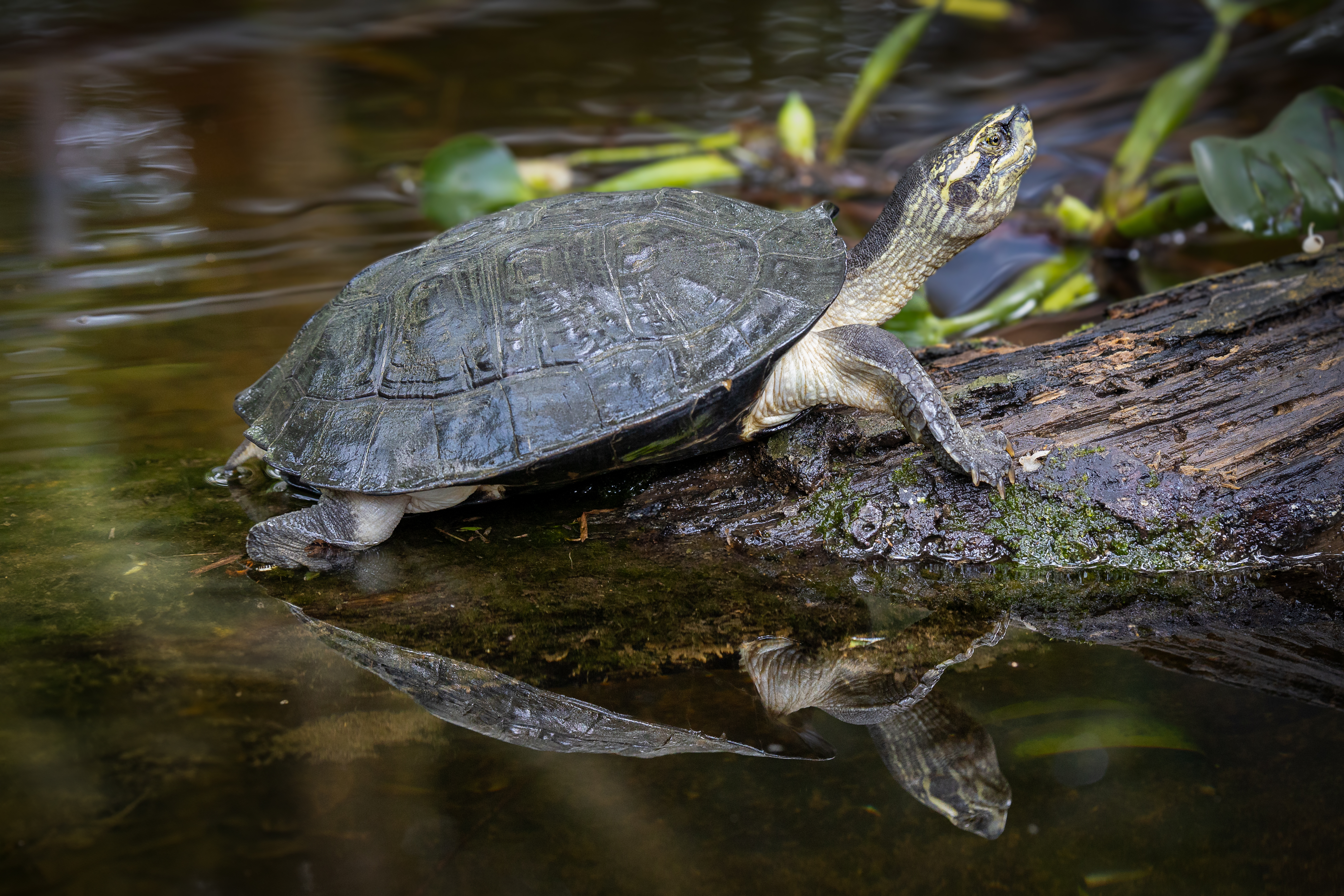
Assam Roofed Turtle
Pangshura sylhetensis
Declining
Photo: Photo: Wikimedia Commons, CC BY-SA
Overview
A detailed profile for this species is sourced from the IUCN Red List of Threatened Species as assessments become available.
Habitat
This species inhabits slow-moving freshwater environments including oxbow lakes, seasonal wetlands, and quiet backwaters of the Brahmaputra River system in northeastern India and Bangladesh. They prefer areas with abundant aquatic vegetation and sandy or muddy banks suitable for nesting, typically at elevations below 200 meters.
Wetlands (inland) - Permanent rivers/streams· major
Conservation measures underway
Site/area protectionSpecies recoveryEx-situ conservationLegislation
Other threatened species in GEOEMYDIDAE


Threatened in Bangladesh



Frequently asked questions
Why is Assam Roofed Turtle classified as Critically Endangered?
Assam Roofed Turtle is classified as Critically Endangered — facing an extremely high risk of extinction in the wild — because population sizes are very small, declining sharply, or restricted to a tiny range, per the IUCN Red List assessment recorded in the SpeciesRadar database.
Where does Assam Roofed Turtle live?
Assam Roofed Turtle occurs in Bangladesh, Bhutan, India, and Myanmar (Burma). Country-level distribution data is sourced from the IUCN Red List and cross-referenced with GBIF occurrences.
What are the main threats to Assam Roofed Turtle?
The main threats to Assam Roofed Turtle are 5.1, 5.1.1, and 9.3. The full IUCN-classified threat record for this species is detailed on the species page.
Get weekly conservation intelligence
One short digest a week of the most striking species and country data we ship, plus breaking conservation news paired with our database where it matters.
Free, no spam. One-click unsubscribe in every email.