
Abrau Sprat
Clupeonella abrau
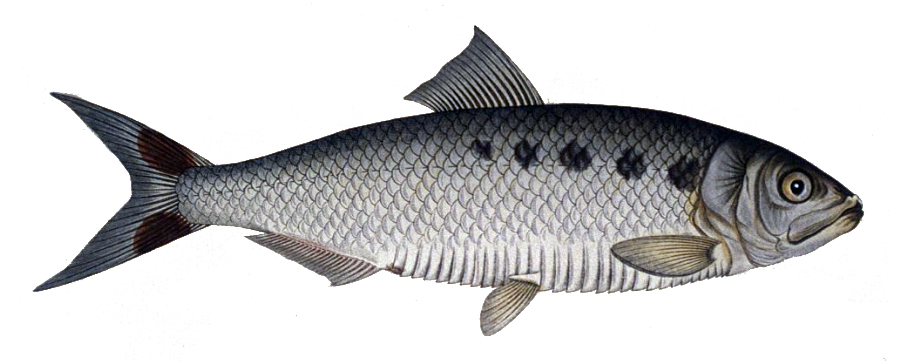
Photo: Photo: Лев Семёнович (Симонович) Берг (2 (14) марта 1876 — 24 декабря 1950) via Wikimedia Commons Public domain
Overview
Clupeonella abrau, commonly known as the Abrau sprat, is a small endemic fish species found exclusively in Lake Abrau, a coastal freshwater lake in the Krasnodar region of Russia near the Black Sea. This diminutive member of the herring family typically measures 6-9 centimeters in length, displaying the characteristic silvery coloration and streamlined body typical of clupeids. The species exhibits a compressed, elongated body with a distinctive upturned mouth adapted for surface feeding on zooplankton and small invertebrates.
As a lake-endemic species, Clupeonella abrau has evolved unique behavioral adaptations to its isolated freshwater environment, forming dense schools in the pelagic zone during feeding periods and moving to deeper waters during winter months. The species is classified as Critically Endangered by the IUCN, reflecting its extremely restricted range and declining population within its single lake habitat. Lake Abrau's unique ecosystem, formed approximately 10,000 years ago, represents one of the few natural freshwater lakes in the region, making it a critical refuge for this endemic fish.
Recent conservation efforts have included water quality monitoring programs and habitat protection measures around Lake Abrau, with local authorities recognizing the lake's exceptional biodiversity value. The species serves as an important indicator of the lake's ecological health and represents a remarkable example of endemic evolution in isolated aquatic systems.
The primary threat to Clupeonella abrau stems from its complete dependence on Lake Abrau's fragile ecosystem, where water level fluctuations and quality degradation directly impact the entire population. Agricultural runoff from surrounding vineyards and increased tourism development around the lake have contributed to eutrophication and habitat degradation. The species' extremely limited gene pool, confined to a single small lake system, makes it particularly vulnerable to environmental changes and reduces its adaptive capacity to respond to emerging threats.
Habitat
Clupeonella abrau inhabits the pelagic and littoral zones of Lake Abrau, a small freshwater lake covering approximately 1.6 square kilometers in southwestern Russia. The species occupies various depth zones throughout the year, preferring the upper water column for feeding while utilizing deeper areas for overwintering and reproduction.
Conservation measures underway
Other threatened species in CLUPEIDAE


Threatened in Russia
Frequently asked questions
Why is Abrau Sprat classified as Critically Endangered?
Where does Abrau Sprat live?
What are the main threats to Abrau Sprat?
Get weekly conservation intelligence
One short digest a week of the most striking species and country data we ship, plus breaking conservation news paired with our database where it matters.
Free, no spam. One-click unsubscribe in every email.