Yellow-headed Box Turtle
Cuora aurocapitata
Overview
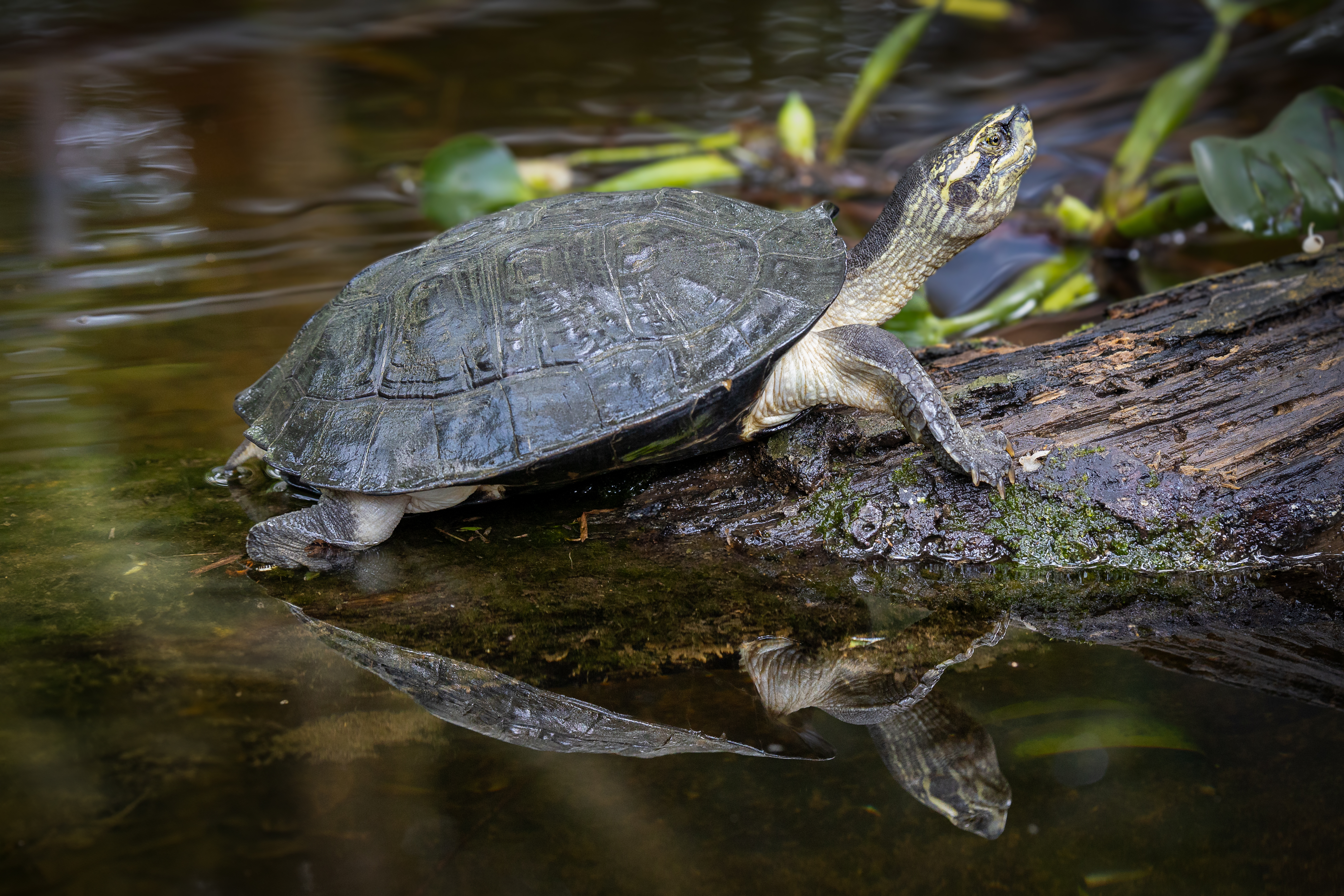
The yellow-headed box turtle or golden-headed box turtle is a proposed species of turtle in the family Geoemydidae. It is sometimes considered a subspecies of Pan's box turtle.
The Golden-headed Box Turtle faces severe population decline primarily due to intensive collection for the traditional medicine trade and food markets across Asia. Habitat destruction from agricultural expansion and urban development has fragmented remaining populations in its native range. The species' slow reproductive rate and late sexual maturity make recovery extremely difficult once populations are depleted.
Habitat
This species inhabits subtropical forests, woodland areas, and adjacent agricultural landscapes in southern China and northern Vietnam. It prefers areas with dense vegetation cover near water sources including streams, ponds, and wetland margins.
Other threatened species in GEOEMYDIDAE


Frequently asked questions
Why is Yellow-headed Box Turtle classified as Critically Endangered?
Where does Yellow-headed Box Turtle live?
What are the main threats to Yellow-headed Box Turtle?
Get weekly conservation intelligence
One short digest a week of the most striking species and country data we ship, plus breaking conservation news paired with our database where it matters.
Free, no spam. One-click unsubscribe in every email.