
Bolson Tortoise
Gopherus flavomarginatus
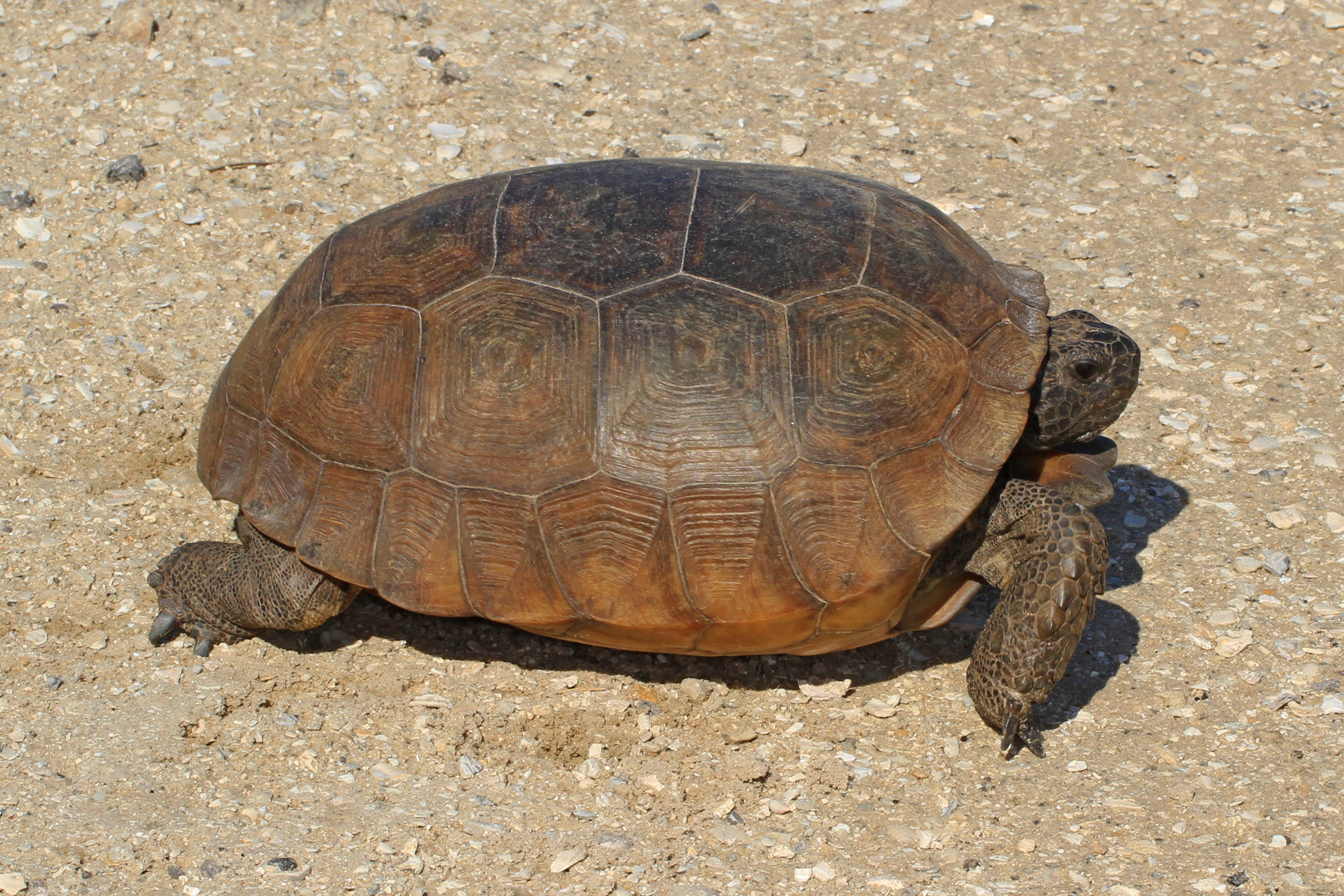
Photo: Photo: Wikimedia Commons, CC BY-SA
Overview
A detailed profile for this species is sourced from the IUCN Red List of Threatened Species as assessments become available.
The Bolson tortoise faces severe population decline primarily due to extensive cattle ranching and agricultural conversion throughout its limited range in the Chihuahuan Desert. Overgrazing by livestock degrades the native grassland habitat essential for the species' survival, while direct collection for the pet trade has historically reduced wild populations. Climate change poses an additional threat through increased drought frequency and temperature extremes in an already arid environment.
Habitat
The Bolson tortoise inhabits desert grasslands and scrublands in the Chihuahuan Desert of north-central Mexico, preferring areas with sandy soils and scattered shrub vegetation. This species requires open grassland areas for foraging and suitable soil conditions for constructing the extensive burrow systems that provide shelter from extreme temperatures.
Conservation measures underway
Other threatened species in TESTUDINIDAE


Threatened in Mexico
Frequently asked questions
Why is Bolson Tortoise classified as Critically Endangered?
Where does Bolson Tortoise live?
What are the main threats to Bolson Tortoise?
Get weekly conservation intelligence
One short digest a week of the most striking species and country data we ship, plus breaking conservation news paired with our database where it matters.
Free, no spam. One-click unsubscribe in every email.