
White Hedgehog
Hydnum albidum
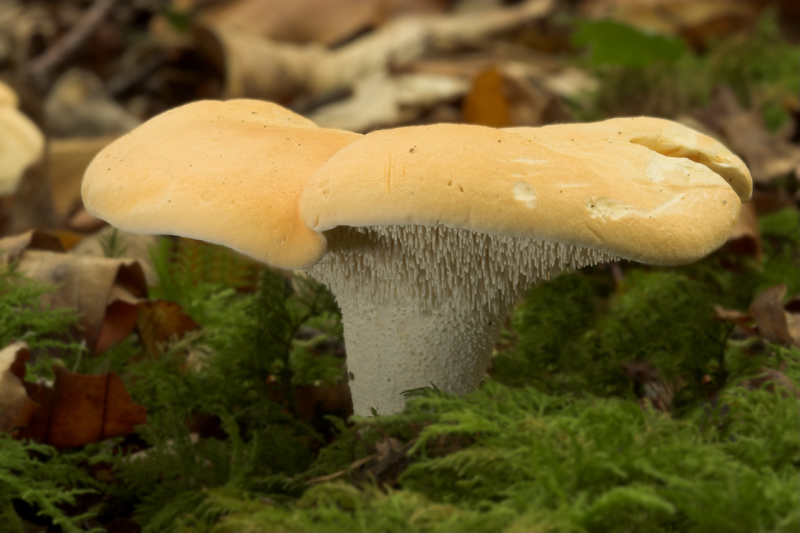
Photo: Wikimedia Commons (CC) via https://en.wikipedia.org/wiki/Hydnum_albidum
Overview
A detailed profile for this species is sourced from the IUCN Red List of Threatened Species as assessments become available.
The White Hedgehog faces significant pressure from habitat degradation due to intensive forestry practices that alter soil chemistry and mycorrhizal networks essential for fruiting body development. Climate change compounds these threats by disrupting the delicate moisture and temperature conditions required for spore germination and mycelial growth. Agricultural expansion and urban development continue to fragment the old-growth and mature forest ecosystems where this species typically establishes symbiotic relationships with host trees.
Habitat
The White Hedgehog inhabits mature deciduous and mixed forests, particularly those with well-established mycorrhizal networks in nutrient-rich, calcareous soils. It forms symbiotic relationships with various tree species including beech, oak, and birch, typically fruiting in late summer through autumn in undisturbed woodland environments.
Other threatened species in Hydnaceae


Frequently asked questions
Why is White Hedgehog classified as Vulnerable?
Where does White Hedgehog live?
What are the main threats to White Hedgehog?
Get weekly conservation intelligence
One short digest a week of the most striking species and country data we ship, plus breaking conservation news paired with our database where it matters.
Free, no spam. One-click unsubscribe in every email.