Viguiera media
Overview
Aldama media is a species of flowering plant in the family Asteraceae. It is found only in Ecuador. Its natural habitat is near saline lakes, growing in dry forests, scrublands and grasslands. It is threatened by habitat loss.
Viguiera media faces severe threats from habitat destruction due to urban expansion and agricultural conversion in its limited range. The species' extremely restricted distribution makes it particularly vulnerable to localized disturbances, while invasive plant species compete for resources in its native habitat. Climate change poses additional pressure through altered precipitation patterns affecting this drought-adapted species.
Habitat
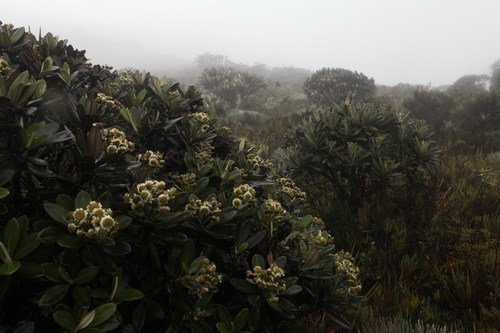
Viguiera media inhabits dry scrublands and rocky slopes in semi-arid regions, typically growing in well-drained soils with sparse vegetation cover. The species is adapted to areas with low annual rainfall and high temperature variation between seasons.
Other threatened species in ASTERACEAE
Frequently asked questions
Why is Viguiera media classified as Critically Endangered?
Where does Viguiera media live?
What are the main threats to Viguiera media?
Get weekly conservation intelligence
One short digest a week of the most striking species and country data we ship, plus breaking conservation news paired with our database where it matters.
Free, no spam. One-click unsubscribe in every email.