Verbesina rupestris
Overview
A detailed profile for this species is sourced from the IUCN Red List of Threatened Species as assessments become available.
Verbesina rupestris faces significant pressure from habitat degradation in its restricted rocky outcrop environments. Urban expansion and quarrying activities directly destroy the specialized cliff and rocky slope habitats this species requires. Agricultural encroachment into marginal lands further fragments remaining populations, while invasive plant species compete for limited growing space on these nutrient-poor substrates.
Habitat
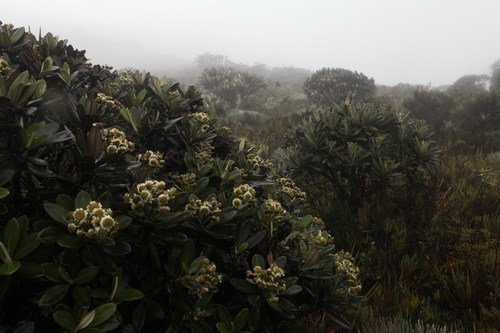
Verbesina rupestris is endemic to rocky outcrops, cliff faces, and steep rocky slopes in mountainous regions. This specialized habitat consists of thin soils over limestone or volcanic substrates, where the species grows in crevices and on ledges with excellent drainage.
Other threatened species in ASTERACEAE
Frequently asked questions
Why is Verbesina rupestris classified as Vulnerable?
Where does Verbesina rupestris live?
What are the main threats to Verbesina rupestris?
Get weekly conservation intelligence
One short digest a week of the most striking species and country data we ship, plus breaking conservation news paired with our database where it matters.
Free, no spam. One-click unsubscribe in every email.