Three-lobed Bush-cricket
Rhacocleis trilobata
Overview
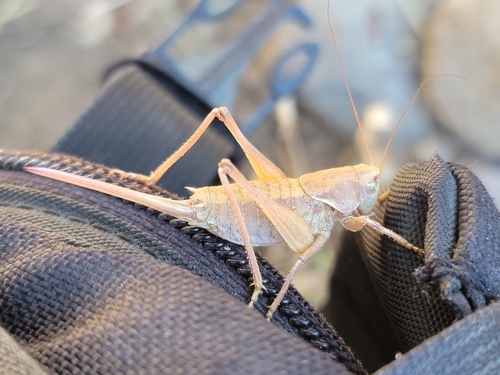
Rhacocleis trilobata is a critically endangered bush cricket species endemic to specific Mediterranean regions. This orthopteran insect belongs to the family Tettigoniidae and is characterized by its distinctive morphological features that distinguish it from related species within the genus. The species inhabits specialized Mediterranean scrubland and rocky habitats with specific vegetation requirements.
Its extremely limited distribution range makes it particularly vulnerable to environmental changes and human activities. The primary threats to R. trilobata include habitat loss and fragmentation due to urban development, agricultural expansion, and infrastructure projects.
Climate change poses additional risks through altered precipitation patterns and temperature regimes that may affect the delicate ecological balance of its habitat. The species' specialized habitat requirements and limited dispersal capabilities further compound its vulnerability. Fire regimes, both natural and human-induced, can significantly impact population stability.
Overgrazing by livestock and invasive plant species may also degrade habitat quality. Conservation efforts for this species are limited due to its recent recognition and restricted range. Habitat protection through designation of protected areas and implementation of appropriate management practices represents the most critical conservation need.
Research into the species' ecology, population dynamics, and specific habitat requirements is essential for developing effective conservation strategies. Monitoring programs to track population trends and habitat quality are necessary to assess conservation effectiveness and guide adaptive management approaches.
Rhacocleis trilobata faces severe threats from habitat destruction caused by urban development and agricultural expansion within its limited Mediterranean range. Climate change and altered fire regimes further threaten the specialized scrubland habitats this species requires for survival.
Habitat
This species inhabits Mediterranean scrubland and rocky areas with specific vegetation assemblages. It requires undisturbed natural habitats with appropriate microclimate conditions and native plant communities.
Conservation measures underway
Other threatened species in TETTIGONIIDAE
Threatened in Greece
Frequently asked questions
Why is Three-lobed Bush-cricket classified as Critically Endangered?
Where does Three-lobed Bush-cricket live?
What are the main threats to Three-lobed Bush-cricket?
Get weekly conservation intelligence
One short digest a week of the most striking species and country data we ship, plus breaking conservation news paired with our database where it matters.
Free, no spam. One-click unsubscribe in every email.