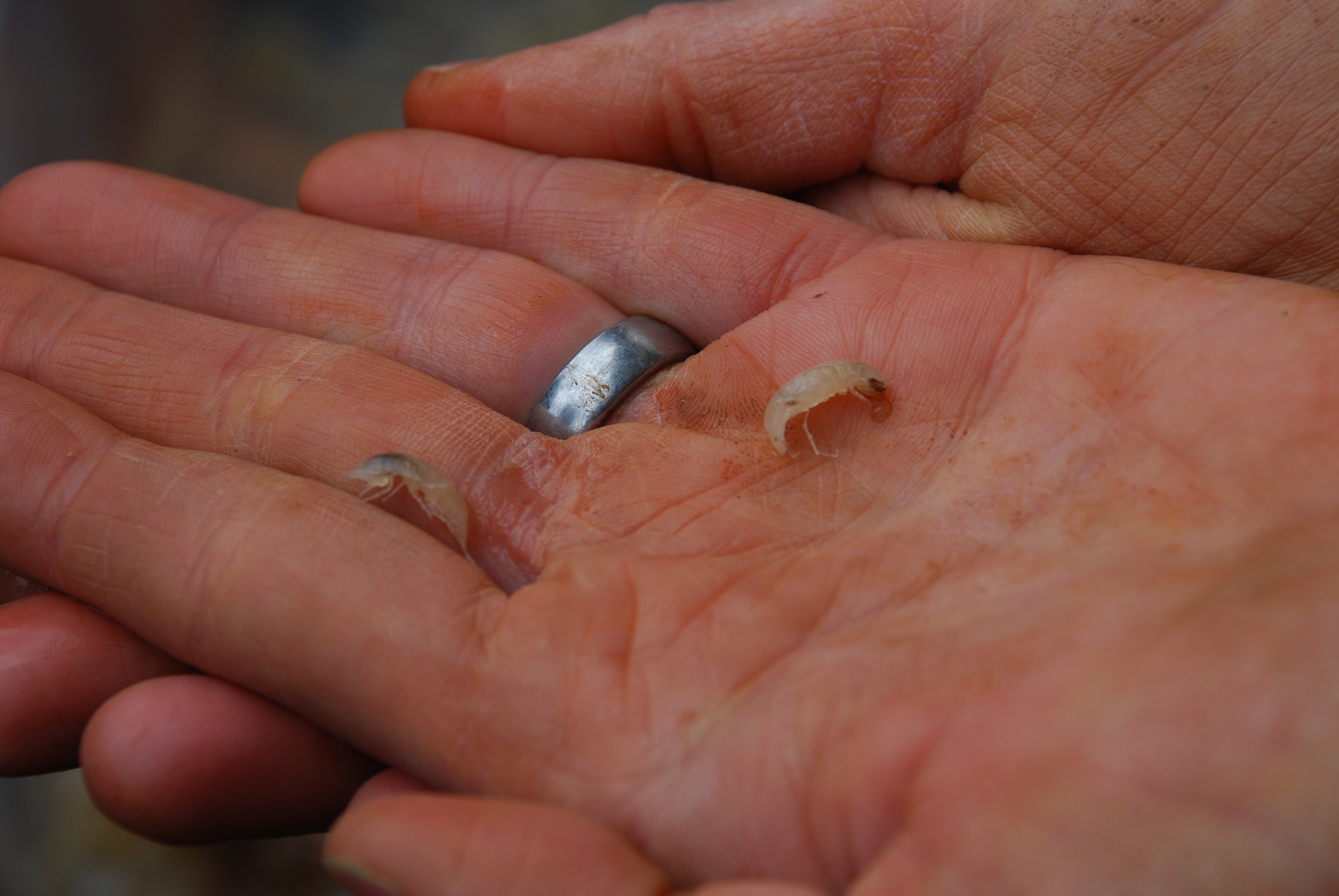
Sphaerolana karenae
Overview
A detailed profile for this species is sourced from the IUCN Red List of Threatened Species as assessments become available.
Sphaerolana karenae faces significant threats from groundwater extraction and contamination in its limited cave habitat range. Urban development and agricultural activities above the cave systems pose risks through altered hydrology and chemical runoff that can degrade the delicate aquatic environments these isopods depend on. The species' extremely restricted distribution makes it particularly vulnerable to localized environmental changes.
Habitat
This species inhabits groundwater-fed cave pools and underground aquatic systems in limestone karst formations. It is endemic to specific cave networks where it occupies permanent water bodies with stable temperatures and low light conditions.
Other threatened species in CIROLANIDAE
Threatened in Mexico
Frequently asked questions
Why is Sphaerolana karenae classified as Vulnerable?
Where does Sphaerolana karenae live?
What are the main threats to Sphaerolana karenae?
Get weekly conservation intelligence
One short digest a week of the most striking species and country data we ship, plus breaking conservation news paired with our database where it matters.
Free, no spam. One-click unsubscribe in every email.