
Smooth-coated Otter
Lutrogale perspicillata
Photo: Wikimedia Commons (CC) via https://en.wikipedia.org/wiki/Smooth-coated_otter
Overview
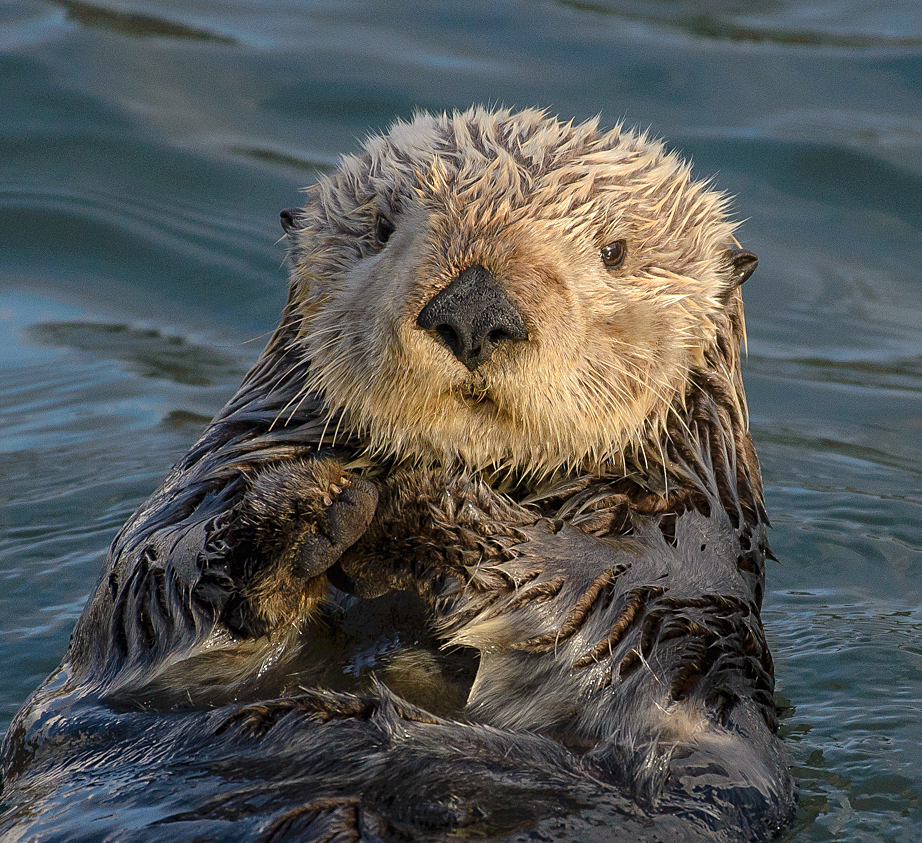
The smooth-coated otter is the largest otter species in Asia, measuring 65-80 cm in body length with a distinctive flattened tail. Its short, dense fur appears dark brown when wet and lighter brown when dry. These semi-aquatic mammals are highly social, living in family groups of 5-6 individuals that communicate through complex vocalizations.
As apex predators in freshwater ecosystems, they primarily feed on fish, crustaceans, and amphibians, helping maintain aquatic food web balance.
Smooth-coated otters inhabit freshwater systems across South and Southeast Asia, from Pakistan to China and south through Indonesia. They occupy diverse habitats including rivers, lakes, mangrove swamps, and coastal areas, requiring clean water bodies with adequate fish populations and suitable denning sites along vegetated banks.
The species faces severe habitat loss from urban development, agricultural expansion, and aquaculture operations that degrade water quality and reduce prey availability. Dam construction fragments river systems, while pollution from agricultural runoff creates toxic conditions. Direct persecution occurs due to perceived competition with fisheries, and road development increases mortality from vehicle strikes. Climate change intensifies flooding and habitat alteration.
Conservation efforts include habitat protection in national parks and wildlife reserves across range countries. Several nations have implemented legal protections, though enforcement remains challenging. Captive breeding programs operate in India and Thailand, while community-based conservation initiatives work to reduce human-otter conflict through alternative livelihood programs.
The species' population continues declining despite conservation measures. Success depends on transboundary cooperation, improved water quality management, and addressing the underlying drivers of habitat destruction across its fragmented range.
The smooth-coated otter faces multiple serious threats including the destruction of wetland habitats for housing developments, fish farms, and crop farming, as well as pollution from agricultural chemicals that contaminate the rivers and lakes where they live. These otters are also hunted and trapped for their fur and body parts, while roads and railways fragment their habitat and cause direct deaths from vehicle strikes. Most of these threats are ongoing and appear to be intensifying as human development continues to expand into the otters' remaining habitat.
Habitat
Conservation measures underway
Other threatened species in MUSTELIDAE

Threatened in Bangladesh



Frequently asked questions
Why is Smooth-coated Otter classified as Vulnerable?
Where does Smooth-coated Otter live?
What are the main threats to Smooth-coated Otter?
Get weekly conservation intelligence
One short digest a week of the most striking species and country data we ship, plus breaking conservation news paired with our database where it matters.
Free, no spam. One-click unsubscribe in every email.