Silvertip Shark
Carcharhinus albimarginatus
Overview
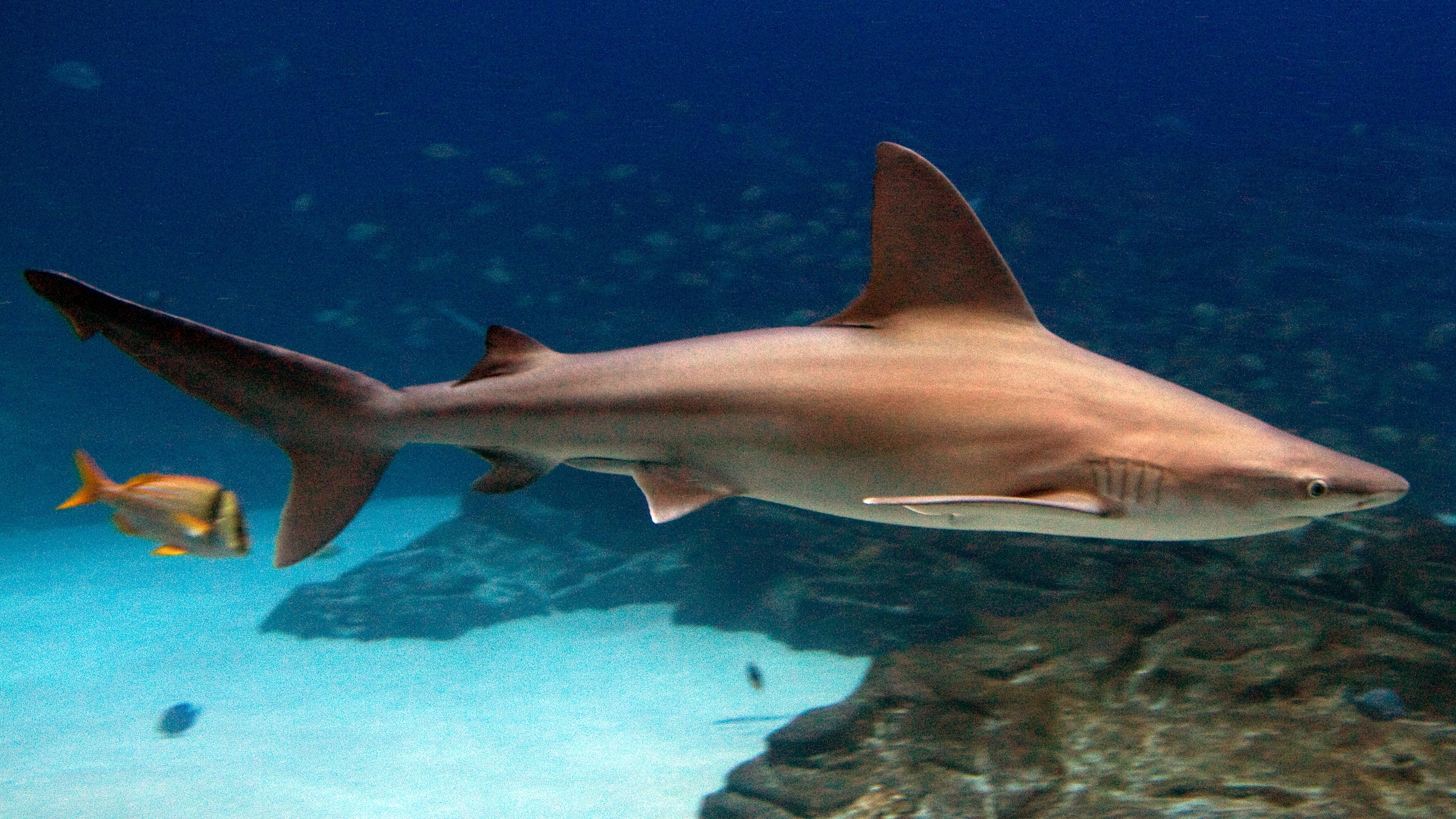
Recognizable by the distinctive white margins along its dorsal and pectoral fins, this large reef-associated shark reaches lengths of up to 3 meters and displays a robust, streamlined body typical of the requiem shark family. As an apex to mesopredator, it feeds on bony fish, smaller sharks, and cephalopods, playing an important role in regulating prey populations and maintaining the health of reef and pelagic ecosystems. Individuals are often observed patrolling reef drop-offs and can display bold, inquisitive behavior toward divers.
The species has a wide distribution across tropical and subtropical waters of the Indian and Pacific Oceans, with additional records from the Atlantic, spanning countries including Indonesia, Australia, Papua New Guinea, Madagascar, the Seychelles, and numerous Pacific island nations. It occupies marine neritic and oceanic habitats, typically favoring clear waters around coral reefs, atolls, and offshore banks, from shallow reef flats down to several hundred meters depth.
Population declines are primarily driven by targeted and incidental fishing, including longline and gillnet fisheries that capture the species for its fins and meat. Coastal habitat degradation linked to agricultural expansion along tropical coastlines has also contributed to pressure on nursery and foraging areas. Its life history—slow growth, late maturity, and low reproductive output—limits its capacity to recover from exploitation.
Conservation measures include listings under CITES Appendix II, which regulates international trade in fins, along with shark sanctuaries and marine protected areas established in several range states. Some regional fisheries management bodies have introduced catch limits or retention bans.
Given continued fishing pressure across much of its range and limited enforcement in many areas, the population trend remains decreasing, and the species is likely to remain vulnerable without stronger, consistently enforced protections.
Silvertip Sharks are primarily threatened by ongoing fishing and harvesting, including being caught intentionally or accidentally in commercial and artisanal fisheries. They also face habitat pressure from the expansion of farmland used for growing annual and perennial crops near coastal areas, which can degrade the coastal and reef habitats they depend on. Both of these threats are currently ongoing, suggesting a stable but persistent level of risk rather than a clear increase or decrease.
Habitat
Conservation measures underway
Other threatened species in CARCHARHINIDAE

Threatened in American Samoa
Frequently asked questions
Why is Silvertip Shark classified as Vulnerable?
Where does Silvertip Shark live?
What are the main threats to Silvertip Shark?
Get weekly conservation intelligence
One short digest a week of the most striking species and country data we ship, plus breaking conservation news paired with our database where it matters.
Free, no spam. One-click unsubscribe in every email.