Pseudoginglymostoma brevicaudatum
Overview
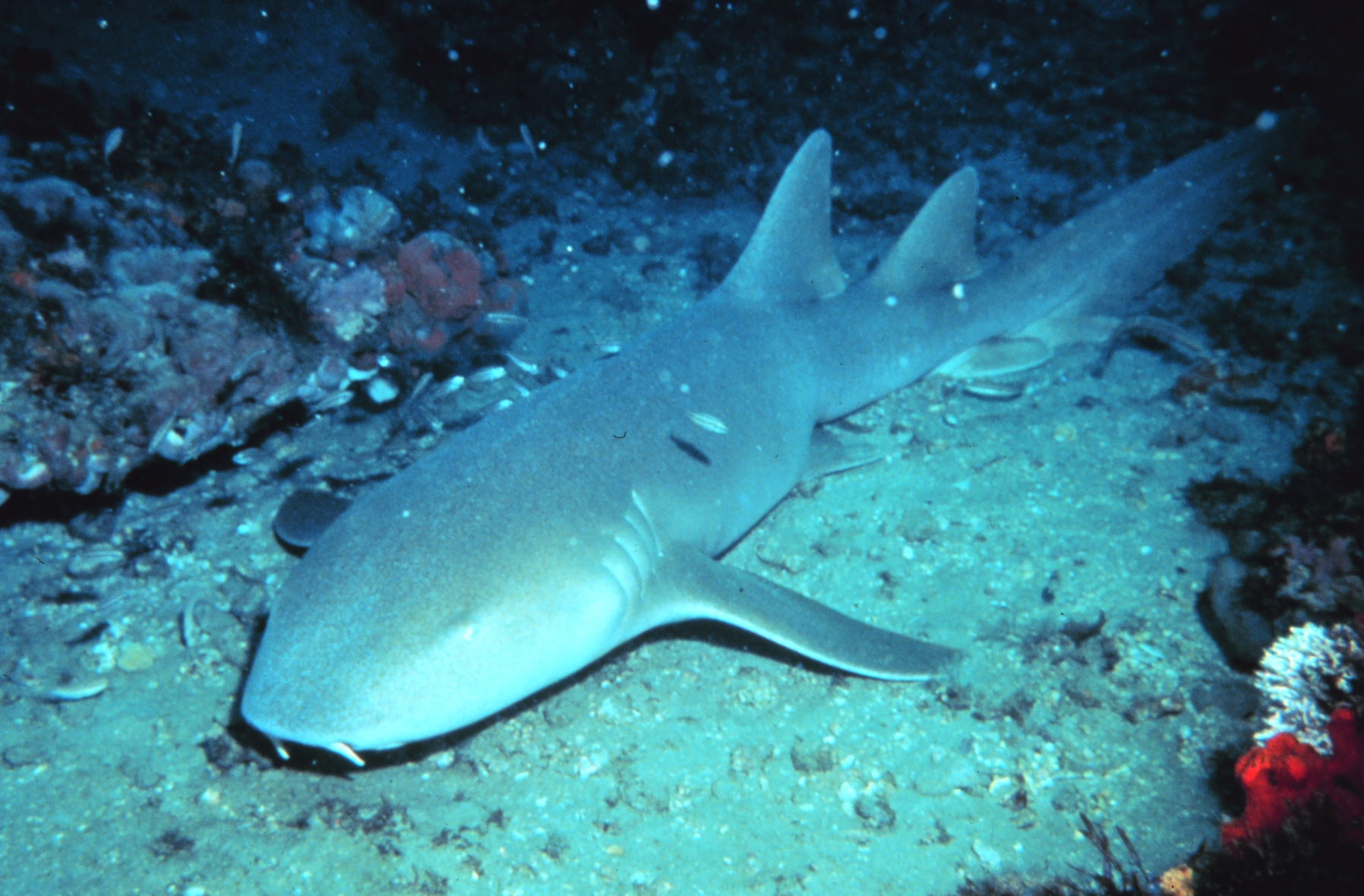
Pseudoginglymostoma brevicaudatum, commonly known as the shorttail nurse shark, is a bottom-dwelling elasmobranch species endemic to the western Indian Ocean. This relatively small shark species is characterized by its distinctive short tail and robust body structure, typically inhabiting shallow coastal waters around coral reefs and rocky substrates. The species has a limited geographic range, primarily found in waters around Madagascar, the Mascarene Islands, and parts of the East African coast.
As a benthic predator, the shorttail nurse shark feeds primarily on small fish, crustaceans, and mollusks, playing an important role in maintaining the ecological balance of reef ecosystems. The species faces severe population pressures due to its restricted range and specific habitat requirements. Coastal development and reef degradation have significantly reduced available habitat, while fishing pressure, both targeted and incidental, continues to impact remaining populations.
The shark's slow reproductive rate and late sexual maturity make population recovery particularly challenging once numbers decline. Climate change-induced coral bleaching and ocean acidification further threaten the reef systems upon which this species depends. Conservation efforts for the shorttail nurse shark remain limited, though some protection exists within marine protected areas throughout its range.
Enhanced monitoring programs and stricter fishing regulations are needed to prevent further population decline. International cooperation among range states is essential for developing effective conservation strategies for this critically endangered species.
The shorttail nurse shark faces severe threats from habitat loss due to coastal development and coral reef degradation. Fishing pressure, both targeted and as bycatch, significantly impacts populations that are already constrained by the species' limited geographic range and slow reproductive rate.
Habitat
This species inhabits shallow coastal waters, coral reefs, and rocky substrates in the western Indian Ocean. It prefers benthic environments where it can hunt for small fish, crustaceans, and mollusks among reef structures and sandy bottoms.
Other threatened species in GINGLYMOSTOMATIDAE
Threatened in Antarctica



Frequently asked questions
Why is Pseudoginglymostoma brevicaudatum classified as Critically Endangered?
Where does Pseudoginglymostoma brevicaudatum live?
What are the main threats to Pseudoginglymostoma brevicaudatum?
Get weekly conservation intelligence
One short digest a week of the most striking species and country data we ship, plus breaking conservation news paired with our database where it matters.
Free, no spam. One-click unsubscribe in every email.