
SEWA
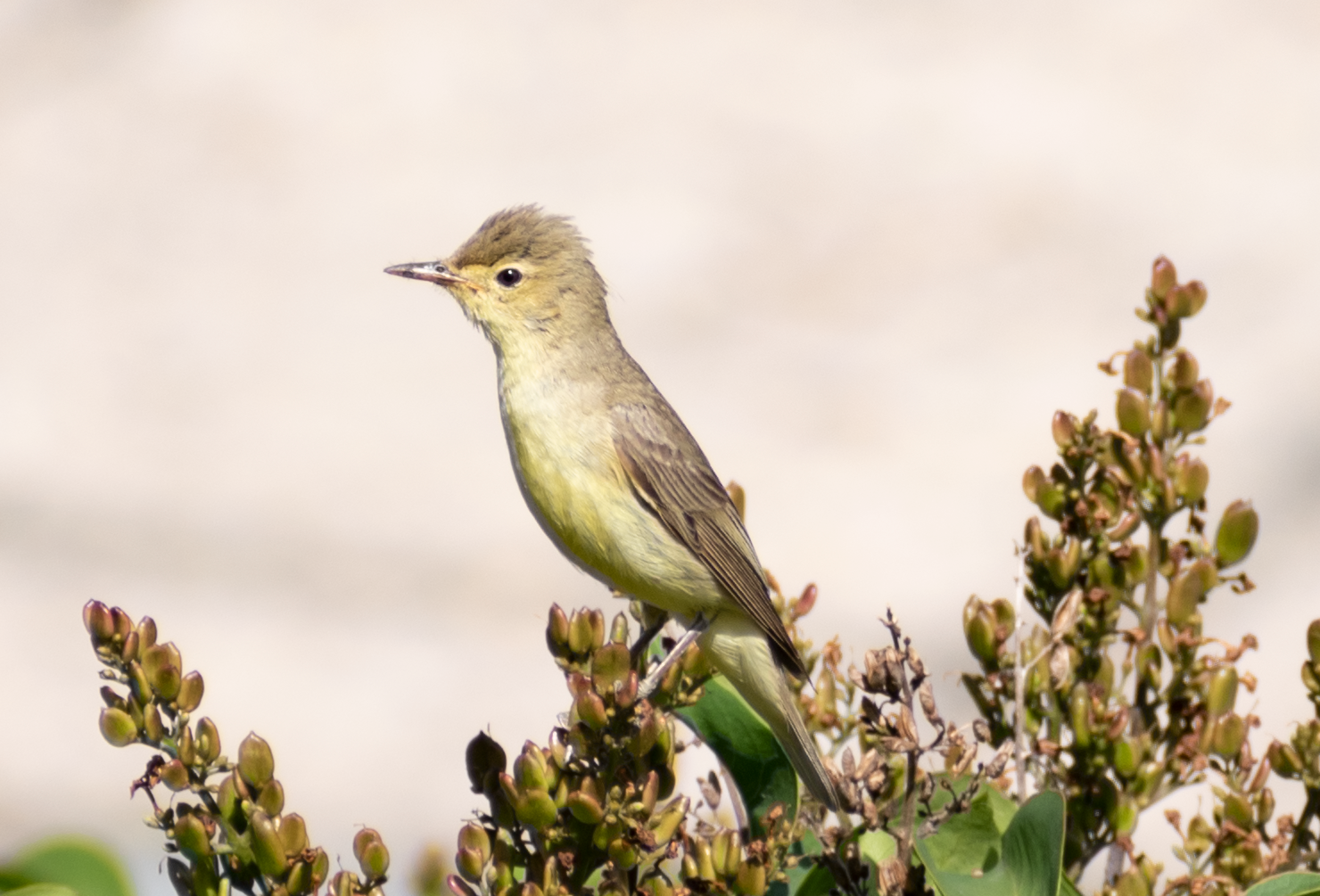
Acrocephalus schoenobaenus
Photo: Wikimedia Commons (CC) via https://en.wikipedia.org/wiki/Sedge_warbler
Overview
A detailed profile for this species is sourced from the IUCN Red List of Threatened Species as assessments become available.
The Sedge Warbler faces severe population declines across its European breeding range, with numbers dropping by over 50% in recent decades. Climate change is altering precipitation patterns in both breeding and wintering grounds, affecting the insect abundance crucial for feeding and breeding success. Agricultural intensification has eliminated traditional reed bed management practices, while drainage of wetlands for development continues to fragment remaining suitable habitat.
Habitat
Sedge Warblers inhabit dense reed beds, sedge marshes, and wetland edges with thick vegetation cover, particularly favoring areas with scattered bushes and scrubland adjacent to water bodies. They require tall emergent vegetation for nesting and foraging, typically in freshwater marshes, river valleys, and coastal wetlands.
Other threatened species in Acrocephalidae

Frequently asked questions
Why is SEWA classified as Endangered?
Where does SEWA live?
What are the main threats to SEWA?
Get weekly conservation intelligence
One short digest a week of the most striking species and country data we ship, plus breaking conservation news paired with our database where it matters.
Free, no spam. One-click unsubscribe in every email.