Sciaena callaensis
CR

Sciaena callaensis

Unknown

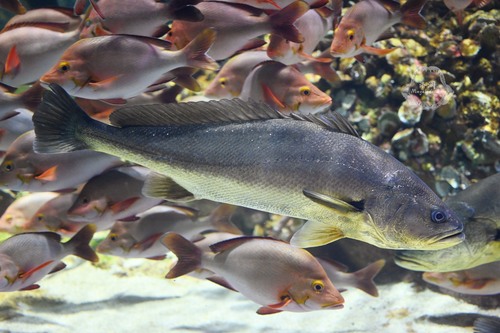
Photo: Wikimedia Commons (CC) via https://en.wikipedia.org/wiki/Callao_drum

Overview

Sciaena callaensis, a member of the drum family Sciaenidae, represents one of the most critically endangered marine fish species along the Pacific coast of South America. This species is classified as Critically Endangered by the IUCN, reflecting its extremely precarious conservation status. Endemic to the coastal waters off Peru and northern Chile, S.

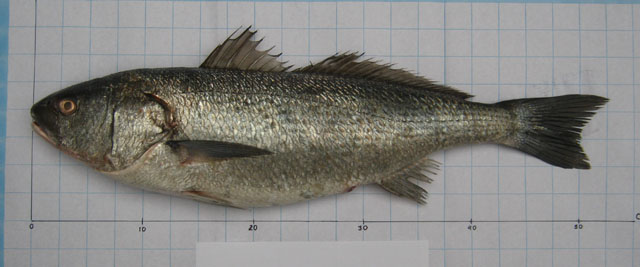
callaensis inhabits nearshore marine environments, typically found in depths ranging from shallow coastal areas to approximately 50 meters. The species exhibits the characteristic elongated body shape of drums, with a silvery coloration and distinctive lateral line system that aids in detecting water movements and prey. Like other members of its family, it likely possesses sound-producing capabilities through specialized muscles associated with the swim bladder.

Historical records suggest this species was once more abundant in the nutrient-rich waters of the Humboldt Current system, where upwelling creates highly productive marine ecosystems. The species' reproductive behavior and specific dietary preferences remain poorly documented, though related drums typically feed on small fish, crustaceans, and marine worms. Despite its critical status, recent marine protected area designations along the Peruvian coast offer some hope for habitat protection, and increased awareness among local fishing communities has led to improved reporting of incidental catches, providing valuable data for conservation efforts.

Sciaena callaensis faces severe pressure from intensive coastal fishing operations, particularly bottom trawling and gillnet fisheries that operate within its shallow water habitat. The species is highly vulnerable to bycatch mortality in Peru's anchovy and sardine fisheries, which represent some of the world's most intensive fishing operations. Coastal development and port expansion along Peru's central coast have degraded critical nearshore spawning and nursery areas, while pollution from mining operations and urban runoff has compromised water quality in key habitat zones.

Threat summary

Habitat

This species inhabits shallow coastal waters and nearshore marine environments along the Pacific coast of Peru and northern Chile, typically at depths of 10-50 meters. It favors sandy and muddy bottom substrates within the highly productive Humboldt Current system, where cold, nutrient-rich waters support diverse marine food webs.

Marine coastal/supratidal· major

Conservation measures underway

Species recovery