Sardinian Green Bush-cricket
Tettigonia longispina
Overview
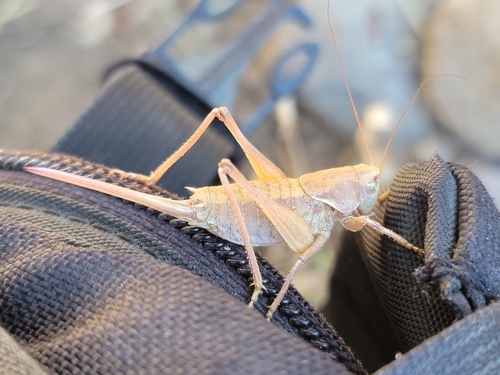
Tettigonia longispina is a critically endangered species of bush cricket belonging to the family Tettigoniidae. This orthopteran insect is characterized by its distinctive long spines and is part of the broader Tettigonia genus, which includes various katydid species found across different regions. The species inhabits specific ecological niches that require particular environmental conditions to support its lifecycle and reproductive needs.
As a bush cricket, T. longispina likely plays an important role in its ecosystem through its feeding habits and as part of the food web. The species faces significant conservation challenges that have led to its classification as Critically Endangered by the IUCN, with population numbers showing a declining trend.
The primary threats to this species are likely related to habitat loss and degradation, which affects many orthopteran species worldwide. Climate change may also pose additional challenges by altering the environmental conditions necessary for the species' survival and reproduction. Conservation efforts for T.
longispina would typically focus on habitat protection and restoration, though specific conservation programs may vary depending on the species' geographic location and local conservation priorities. The critically endangered status indicates that immediate conservation action is necessary to prevent extinction. Research into the species' ecology, population dynamics, and specific habitat requirements is essential for developing effective conservation strategies and ensuring the long-term survival of this rare bush cricket species.
Tettigonia longispina faces severe threats that have contributed to its critically endangered status and declining population trend. The primary challenges likely include habitat loss and environmental degradation that affect the specific conditions this bush cricket requires for survival and reproduction.
Habitat
Tettigonia longispina inhabits specialized environments that provide the necessary conditions for this bush cricket species to complete its lifecycle. The species requires specific ecological niches with appropriate vegetation and microclimate conditions typical of its orthopteran family.
Conservation measures underway
Other threatened species in TETTIGONIIDAE
Threatened in Italy
Frequently asked questions
Why is Sardinian Green Bush-cricket classified as Critically Endangered?
Where does Sardinian Green Bush-cricket live?
What are the main threats to Sardinian Green Bush-cricket?
Get weekly conservation intelligence
One short digest a week of the most striking species and country data we ship, plus breaking conservation news paired with our database where it matters.
Free, no spam. One-click unsubscribe in every email.