
Rhamphomyia crassirostris
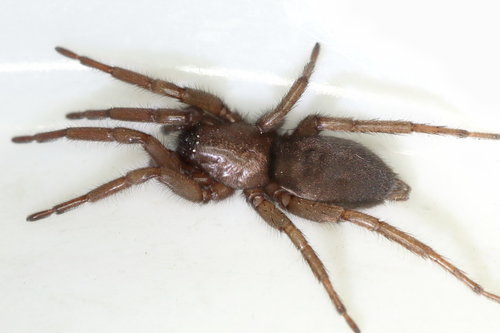
Photo: Wikimedia Commons (CC) via https://en.wikipedia.org/wiki/Rhamphomyia_crassirostris
Overview
A detailed profile for this species is sourced from the IUCN Red List of Threatened Species as assessments become available.
Rhamphomyia crassirostris faces significant pressure from habitat degradation in its specialized wetland environments, where drainage for agriculture and urban development has reduced suitable breeding sites. Climate change poses an additional threat through altered precipitation patterns that affect the moisture-dependent ecosystems this dance fly requires. The species' limited dispersal ability and narrow habitat requirements make it particularly vulnerable to local extinctions when wetland areas are disturbed or destroyed.
Habitat
This dance fly species inhabits moist environments near freshwater sources, including wetland margins, stream banks, and areas with high humidity and organic matter accumulation. It requires specific microhabitat conditions with adequate moisture levels and vegetation structure that support its predatory lifestyle and mating behaviors.
Other threatened species in Empididae


Threatened in Åland Islands


Frequently asked questions
Why is Rhamphomyia crassirostris classified as Vulnerable?
Where does Rhamphomyia crassirostris live?
What are the main threats to Rhamphomyia crassirostris?
Get weekly conservation intelligence
One short digest a week of the most striking species and country data we ship, plus breaking conservation news paired with our database where it matters.
Free, no spam. One-click unsubscribe in every email.