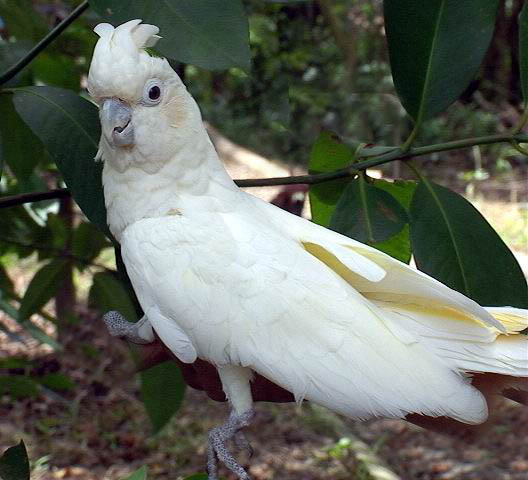
Philippine Cockatoo
Cacatua haematuropygia
Photo: Wikimedia Commons (CC) via https://en.wikipedia.org/wiki/Red-vented_cockatoo
Overview
The red-vented cockatoo, also known as the Philippine cockatoo and locally katala, abukay, agay, or kalangay, is a species of cockatoo. It is endemic to the Philippines, formerly found throughout the entire country, but due to the illegal wildlife trade, it is now locally extinct in most of its range with the only sizeable population remaining in Palawan and Sulu Archipelago. Remnant populations occur in the Polillo Islands, Bohol, and Samar.
It is roughly the size and shape of the Tanimbar corella, but is easily distinguished by the red feathers around the vent. It is threatened by habitat loss and the cage-bird trade.
The Red-vented Cockatoo faces severe population decline primarily due to extensive capture for the illegal pet trade, which has devastated wild populations across its Philippine range. Widespread deforestation and habitat conversion for agriculture have eliminated critical nesting sites and feeding areas. The species' slow reproductive rate, with pairs producing only one or two chicks annually, makes recovery extremely difficult even when threats are reduced.
Habitat
Red-vented Cockatoos inhabit lowland primary and secondary forests, mangrove areas, and cultivated lands with scattered trees across the Philippine archipelago. They require large tree cavities for nesting and prefer areas with diverse fruiting trees and palm species for feeding.
Conservation measures underway
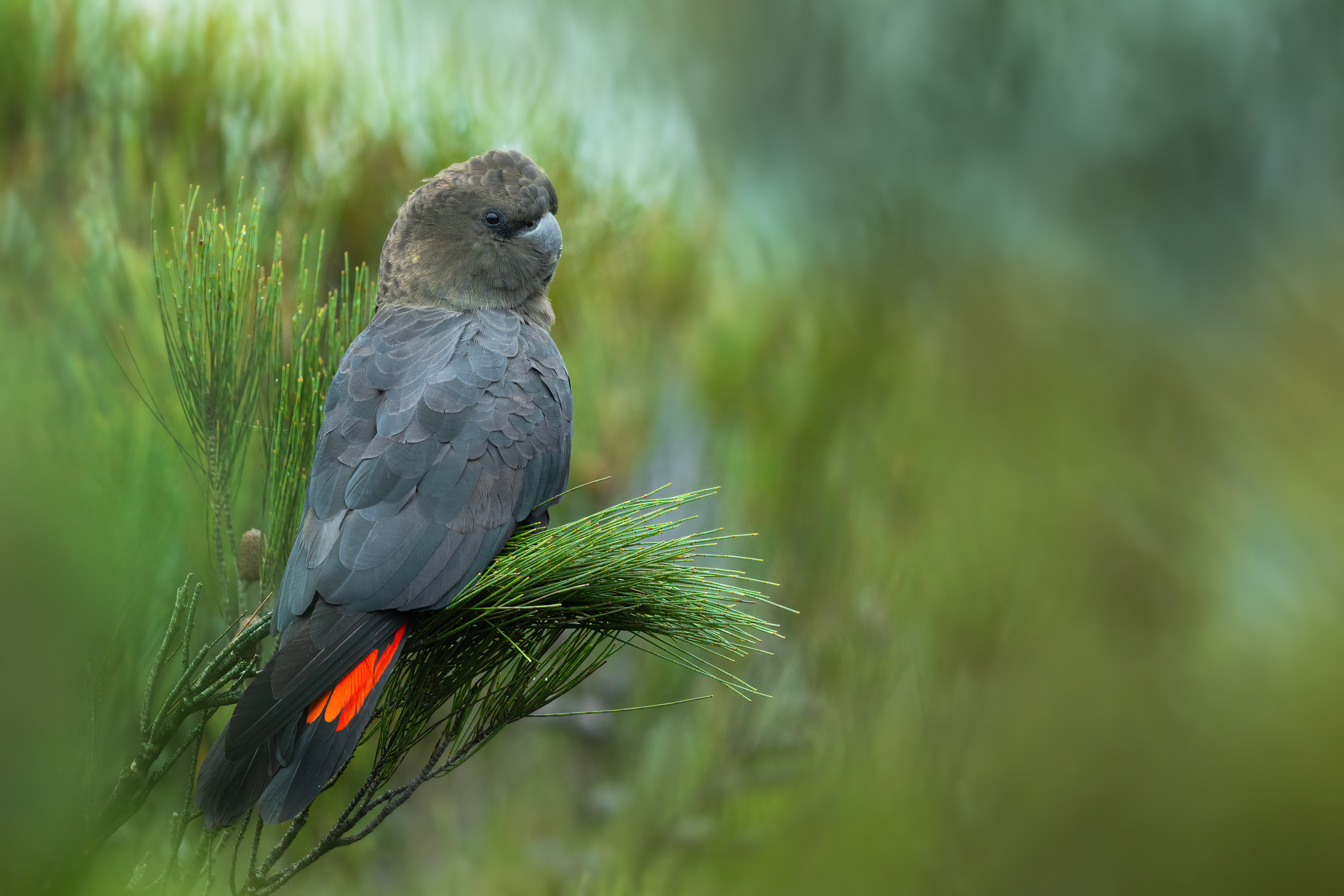
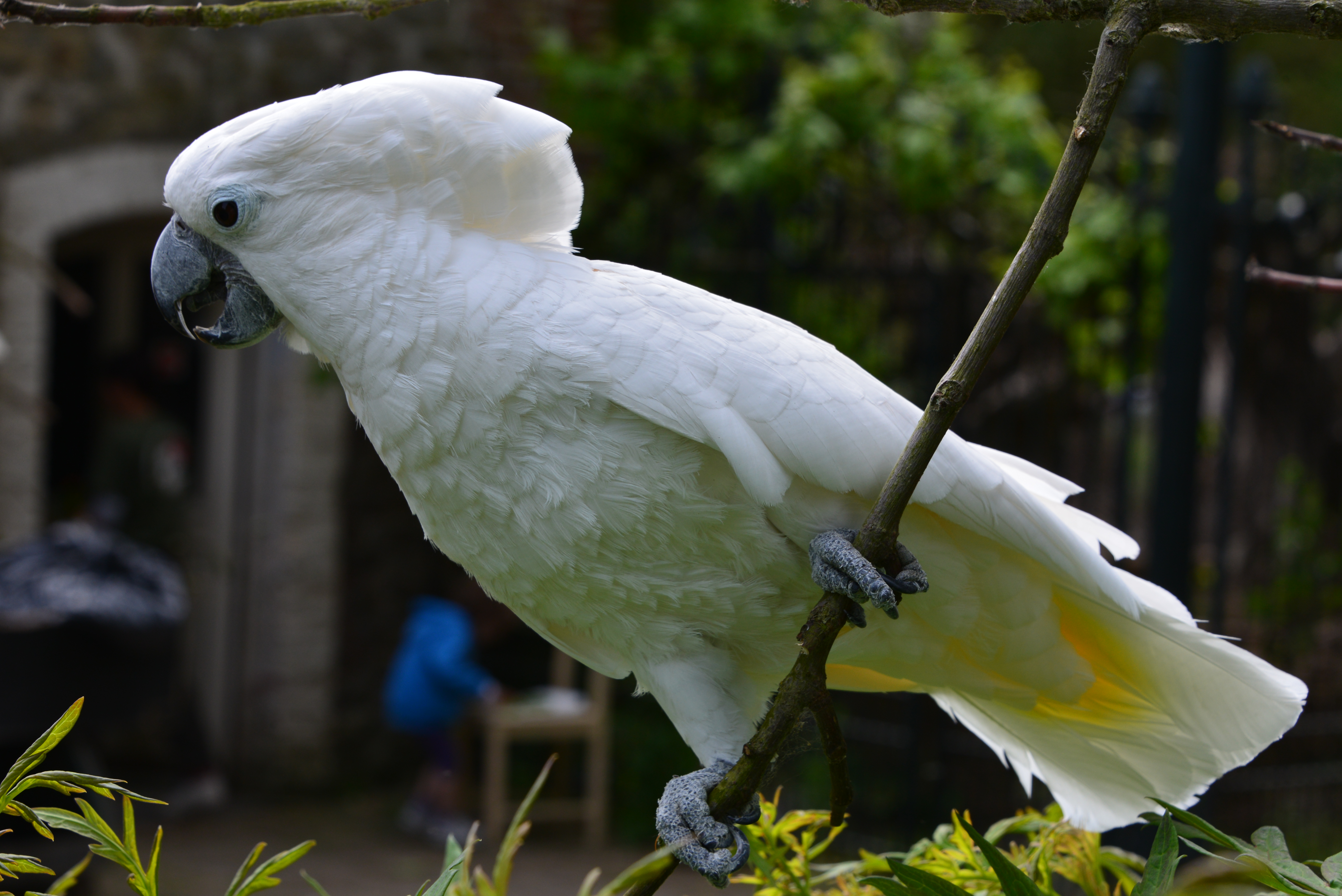
Other threatened species in CACATUIDAE


Threatened in Philippines

Frequently asked questions
Why is Philippine Cockatoo classified as Critically Endangered?
Where does Philippine Cockatoo live?
What are the main threats to Philippine Cockatoo?
Get weekly conservation intelligence
One short digest a week of the most striking species and country data we ship, plus breaking conservation news paired with our database where it matters.
Free, no spam. One-click unsubscribe in every email.