Red Abalone
Haliotis rufescens
Overview
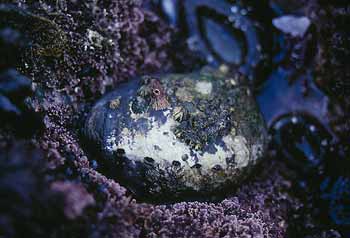
Haliotis rufescens, commonly known as the red abalone, is the largest species of abalone found along the Pacific coast of North America. These marine gastropod mollusks inhabit rocky intertidal and subtidal zones from Oregon to Baja California, Mexico, typically at depths ranging from the low tide zone to approximately 20 meters. Red abalone are characterized by their large, ear-shaped shells that can reach up to 30 centimeters in length, with a distinctive reddish-brown exterior and iridescent interior.
They feed primarily on kelp and other marine algae, playing an important ecological role in nearshore marine ecosystems. The species has experienced severe population declines since the 1990s, leading to its classification as Critically Endangered. Primary threats include withering syndrome, a bacterial disease that has devastated populations, ocean warming and acidification associated with climate change, and historical overharvesting.
The collapse of kelp forests due to sea urchin population explosions has also reduced available food sources. Conservation efforts include captive breeding programs, habitat restoration initiatives focused on kelp forest recovery, and strict fishing regulations. California has implemented a complete moratorium on recreational and commercial red abalone fishing to allow populations to recover.
Research continues into disease resistance, genetic diversity, and optimal restoration techniques to support the species' recovery in its native range.
Red abalone populations have been devastated by withering syndrome, a bacterial disease that causes mass mortality events. Climate change impacts including ocean warming, acidification, and the collapse of kelp forests have further reduced population viability and food availability.
Habitat
Red abalone inhabit rocky intertidal and subtidal environments along the Pacific coast, typically found on hard substrates where they can attach securely. They prefer areas with abundant kelp and algae growth, which serve as their primary food sources.
Conservation measures underway
Other threatened species in HALIOTIDAE


Threatened in Bahamas


Frequently asked questions
Why is Red Abalone classified as Critically Endangered?
Where does Red Abalone live?
What are the main threats to Red Abalone?
Get weekly conservation intelligence
One short digest a week of the most striking species and country data we ship, plus breaking conservation news paired with our database where it matters.
Free, no spam. One-click unsubscribe in every email.