Psacadonotus seriatus
Overview
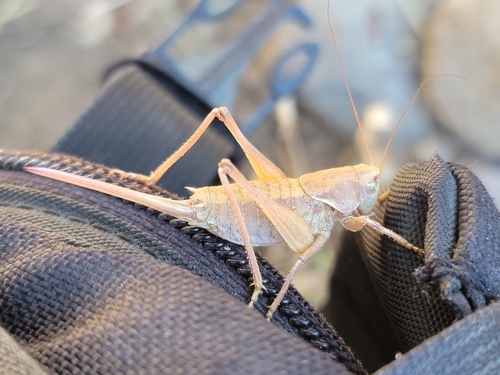
Psacadonotus seriatus is a katydid in the family Tettigoniidae, a group of Orthoptera known for stridulating calls, cryptic body forms, and largely nocturnal habits. Like related tettigoniids, individuals likely rely on camouflage—body shapes and coloration that mimic foliage or bark—to avoid predators, and males probably produce species-specific calls to attract mates. As herbivorous or omnivorous insects, katydids in this genus contribute to plant matter turnover and serve as a prey source for birds, reptiles, and other insectivores, forming a link in terrestrial food webs.
The species is found in Australia, occupying terrestrial habitats. Specific distributional data are limited, but its survival is closely tied to the structural and floristic integrity of the vegetation communities it inhabits.
Psacadonotus seriatus is classified as Vulnerable, with an unknown population trend. Its decline is driven by agricultural intensification and the conversion of native habitat to farmland, alongside urban and residential development that removes or degrades remaining habitat patches. Fragmentation from these processes isolates populations, limiting dispersal and gene flow.
Climate change is altering regional precipitation patterns, potentially affecting the moisture-dependent vegetation the species depends on, while invasive plant species compete with native flora, further degrading habitat quality.
Targeted conservation actions specific to this species are not well documented, though it likely benefits indirectly from broader habitat protection, land-clearing regulations, and invasive species management programs operating within its Australian range.
Given the ongoing and multiple pressures acting simultaneously—habitat loss, fragmentation, climatic shifts, and invasive competition—the species' outlook remains uncertain. Without dedicated monitoring and habitat safeguards, continued pressure on its range is likely to persist.
Psacadonotus seriatus is losing its natural habitat as land is converted for farming and expanded for housing and urban development, and the remaining habitat is becoming increasingly broken up into small, disconnected patches that make it harder for populations to thrive. It also faces competition from invasive plants that crowd out its natural environment, while shifting rainfall patterns linked to climate change add further pressure. These threats are ongoing and appear to be intensifying rather than easing.
Habitat
This grasshopper species inhabits specialized dry grasslands and prairie ecosystems, typically favoring areas with specific vegetation composition and soil conditions. It requires undisturbed native grassland patches with appropriate microclimate conditions for feeding, shelter, and reproductive activities.
Other threatened species in TETTIGONIIDAE
Threatened in Australia
Frequently asked questions
Why is Psacadonotus seriatus classified as Vulnerable?
Where does Psacadonotus seriatus live?
What are the main threats to Psacadonotus seriatus?
Get weekly conservation intelligence
One short digest a week of the most striking species and country data we ship, plus breaking conservation news paired with our database where it matters.
Free, no spam. One-click unsubscribe in every email.