Love Apple
Paris polyphylla
Overview
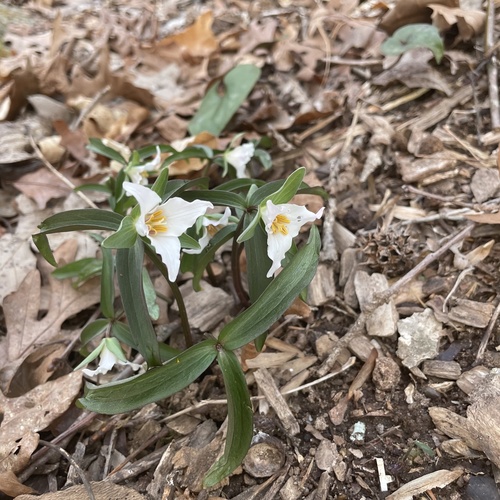
Paris polyphylla is a distinctive perennial herb characterized by a whorl of 4-10 broad, oval leaves arranged in a single tier around its stem, typically reaching 30-100 cm in height. The plant produces a solitary flower with narrow, greenish-yellow petals and prominent yellow stamens, followed by a dark purple berry. As a slow-growing understory species, it plays an important role in forest ecosystems and has been extensively used in traditional Asian medicine for centuries.
This species inhabits temperate and subtropical forests across a broad range spanning from Pakistan through the Himalayas to China, Taiwan, and Southeast Asia, including Bangladesh, Bhutan, India, Myanmar, Nepal, Thailand, Vietnam, and Laos. It typically grows in moist, shaded forest floors, along permanent streams, and occasionally in cave entrances and subterranean habitats at elevations between 1,200-4,300 meters.
The primary threat to Paris polyphylla is intensive harvesting for traditional medicine and commercial trade, driven by high market demand for its rhizomes. Habitat destruction from livestock grazing, agricultural expansion, and fire has further reduced suitable growing areas. The species' extremely slow growth rate—taking 7-10 years to reach maturity—makes populations particularly vulnerable to over-collection.
Conservation efforts include cultivation programs in China and India aimed at reducing pressure on wild populations, though these remain limited in scale. Some populations receive protection within national parks and reserves across its range.
The species' outlook remains concerning, with continued population declines expected due to persistent harvesting pressure and habitat loss, despite growing awareness of conservation needs.
Paris polyphylla faces multiple ongoing threats including livestock grazing and farming activities that damage its natural habitat, as well as intensive harvesting of the plant itself for traditional medicine and commercial use. Additional pressures come from fires, changes to its mountain forest environment, and other human activities that disturb the areas where it grows. All of these threats appear to be continuing at current levels without clear signs of improvement or worsening.
Habitat
Conservation measures underway
Other threatened species in MELANTHIACEAE
Threatened in Bangladesh



Frequently asked questions
Why is Love Apple classified as Vulnerable?
Where does Love Apple live?
What are the main threats to Love Apple?
Get weekly conservation intelligence
One short digest a week of the most striking species and country data we ship, plus breaking conservation news paired with our database where it matters.
Free, no spam. One-click unsubscribe in every email.