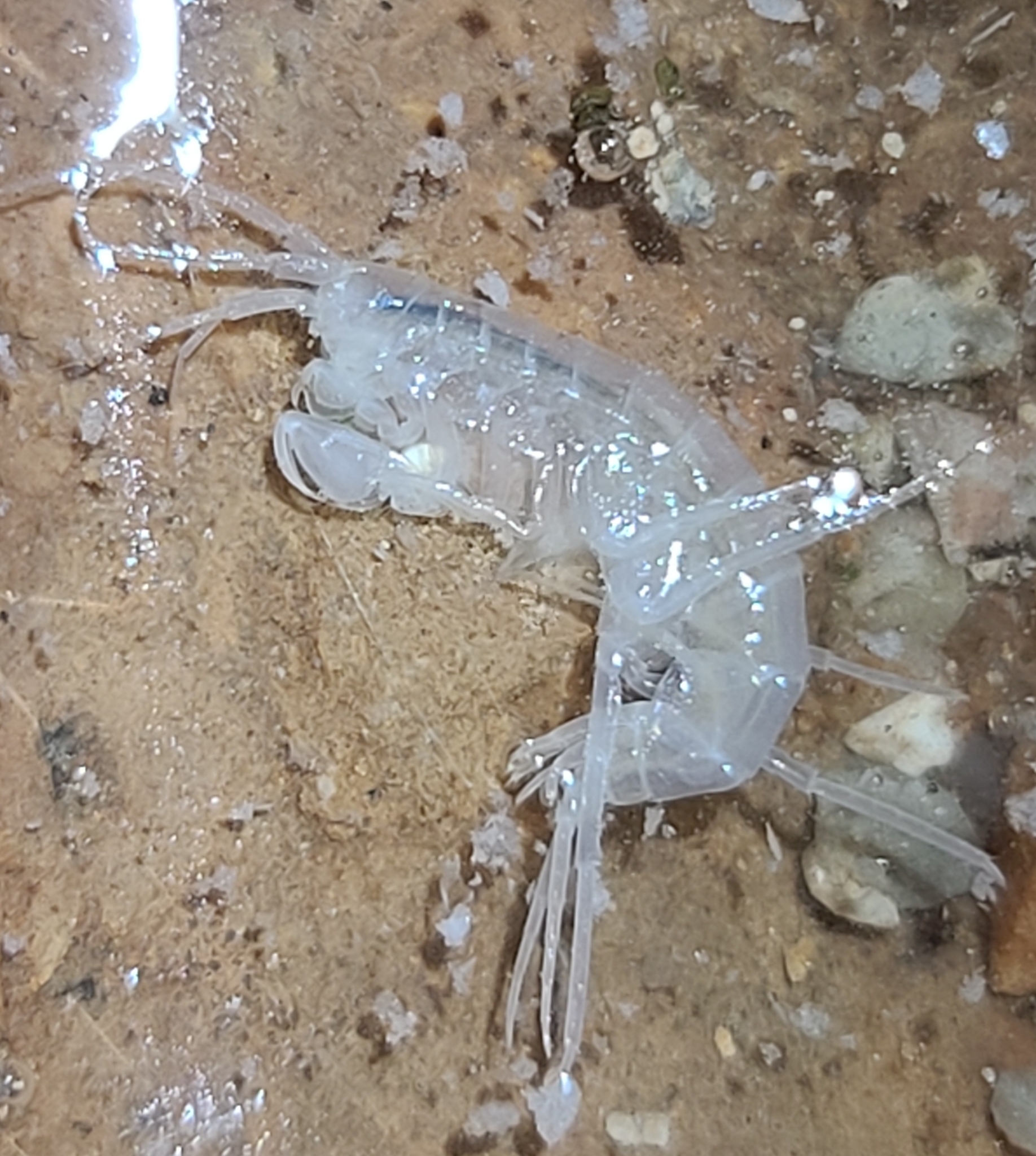
Allocrangonyx pellucidus
Photo: Wikimedia Commons (CC) via https://en.wikipedia.org/wiki/Allocrangonyx
Overview
A detailed profile for this species is sourced from the IUCN Red List of Threatened Species as assessments become available.
Allocrangonyx pellucidus faces severe threats from groundwater contamination and aquifer depletion throughout its limited range in the southeastern United States. Agricultural runoff, urban development, and industrial activities have degraded the pristine groundwater systems this species requires. Climate change poses additional risks through altered precipitation patterns that could affect groundwater recharge rates and cave hydrology.
Habitat
This amphipod inhabits pristine groundwater systems, including cave pools, underground streams, and hyporheic zones in karst regions. It requires clean, oxygen-rich groundwater with stable temperatures and minimal chemical contamination.
Other threatened species in CRANGONYCTIDAE

Threatened in United States
Frequently asked questions
Why is Allocrangonyx pellucidus classified as Vulnerable?
Where does Allocrangonyx pellucidus live?
What are the main threats to Allocrangonyx pellucidus?
Get weekly conservation intelligence
One short digest a week of the most striking species and country data we ship, plus breaking conservation news paired with our database where it matters.
Free, no spam. One-click unsubscribe in every email.