VU

Tawny Nurse Shark

Nebrius ferrugineus

Declining

Overview

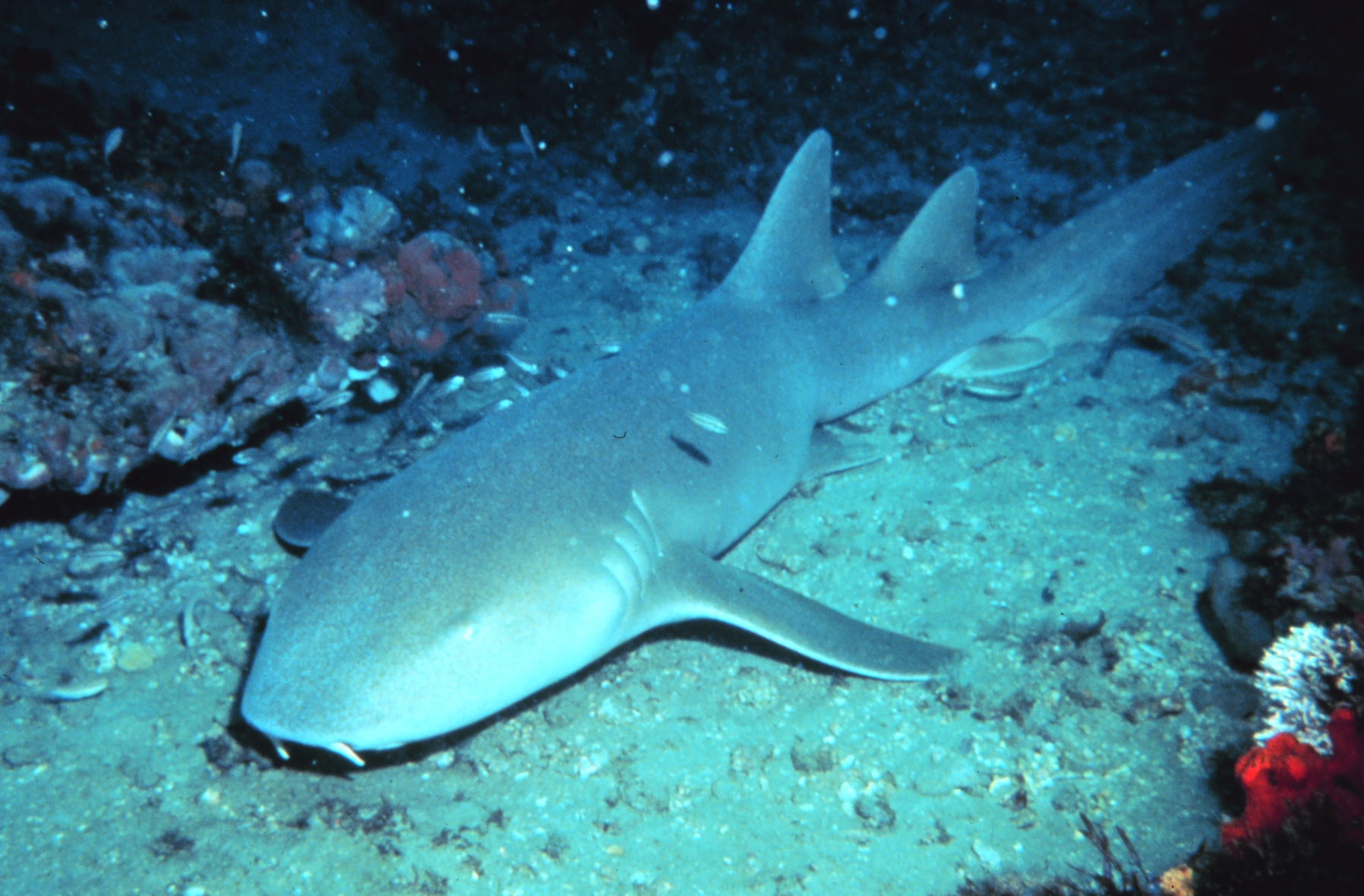
The Tawny Nurse Shark is a large, bottom-dwelling shark reaching lengths of up to 3.2 meters, identifiable by its smooth, tawny-brown skin, small barbels near the mouth, and short, rounded snout. It is nocturnal, spending daylight hours resting motionless in caves, crevices, or under coral ledges, often in small groups, before foraging at night for octopuses, crustaceans, sea urchins, and small fish using a powerful suction-feeding mechanism. As a mid-level predator, it plays a role in structuring benthic invertebrate communities on reefs.

This species occupies shallow marine neritic waters, including coral reefs, lagoons, and rocky reef systems, across a broad Indo-Pacific and western Indian Ocean range. It is recorded in over 40 countries and territories, from South Africa and the Red Sea region through the Arabian Peninsula, South and Southeast Asia, Australia, and across Pacific island nations, with an isolated record in Colombia.

Population decline is driven primarily by targeted and incidental fishing, as the species is harvested for its fins, meat, and liver oil, and is vulnerable to capture due to its habit of resting in predictable, accessible locations. Habitat degradation from coastal development, sedimentation, and coral reef decline further reduces suitable shelter and prey availability.

Conservation measures include protections within marine protected areas and shark sanctuaries in parts of its range, regulation of fin trade in some jurisdictions, and inclusion in regional shark conservation plans. Enforcement and monitoring remain inconsistent across its wide range.

The species is currently assessed as Vulnerable, with an ongoing decreasing population trend. Continued fishing pressure and habitat loss suggest the downward trajectory will persist without stronger, range-wide enforcement of existing protections.

The Tawny Nurse Shark is mainly threatened by ongoing fishing activity, where it is caught intentionally or accidentally in nets and on lines by fisheries operating in its coastal and reef habitats. It also faces harm from changes to its natural habitat, such as the degradation of coral reefs and coastal areas where it lives and feeds. Both of these threats are currently ongoing and show no signs of slowing down.

Threat summary

Habitat

Marine neritic· major

Conservation measures underway

Species recovery

Frequently asked questions

Why is Tawny Nurse Shark classified as Vulnerable?
Tawny Nurse Shark is classified as Vulnerable because the population is declining and the species faces a high risk of extinction in the medium-term future if current pressures continue. The Tawny Nurse Shark is mainly threatened by ongoing fishing activity, where it is caught intentionally or accidentally in nets and on lines by fisheries operating in its coastal and reef habitats. It also faces harm from changes to its natural habitat, such as the degradation of coral reefs and coastal areas where it lives and feeds. Both of these threats are currently ongoing and show no signs of slowing down.
Where does Tawny Nurse Shark live?
Tawny Nurse Shark occurs in American Samoa, Antigua & Barbuda, Australia, British Indian Ocean Territory, Cape Verde, and Colombia (plus 35 other countries). Country-level distribution data is sourced from the IUCN Red List and cross-referenced with GBIF occurrences.
What are the main threats to Tawny Nurse Shark?
The main threats to Tawny Nurse Shark are 11.1, and 5.4. The full IUCN-classified threat record for this species is detailed on the species page.

Get weekly conservation intelligence

One short digest a week of the most striking species and country data we ship, plus breaking conservation news paired with our database where it matters.

Free, no spam. One-click unsubscribe in every email.