Zaprochilus ninae
Overview
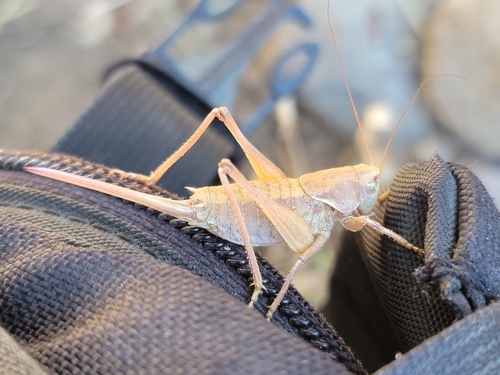
This bush-cricket belongs to a small genus of tettigoniids found only in Australia, distinguished among katydids by the reduced wings and specialized stridulatory structures typical of the genus. Like other Tettigoniidae, it likely produces sound through wing-based stridulation for mate attraction and is primarily nocturnal, sheltering in vegetation by day and foraging on plant material and possibly small invertebrates at night. As an insect herbivore/omnivore within its ecosystem, it contributes to the food web as prey for birds, reptiles, and other invertebrate predators, while its feeding activity links it to local plant communities.
Zaprochilus ninae is restricted to terrestrial habitats within Australia, occupying specific vegetation types suited to its microhabitat and camouflage needs. Its distribution appears naturally limited, a factor that compounds its vulnerability to localized disturbance.
The species faces multiple concurrent pressures. Agricultural expansion and crop cultivation continue to convert or degrade native vegetation within its range, while logging and wood harvesting remove structural habitat components it depends on. Climate change is altering the vegetation and microclimates it relies on, and habitat fragmentation isolates remaining populations, reducing gene flow and recolonization potential.
Because of its already small population size, stochastic events and reduced genetic diversity pose additional extinction risk.
No population figures are currently available, and the population trend is listed as unknown, reflecting limited monitoring data. Conservation measures specific to this species are not well documented, though habitat protection within its Australian range would likely benefit it indirectly through broader land management and reserve systems.
Given ongoing habitat loss, fragmentation, and climate pressures acting simultaneously, the species' outlook remains uncertain. Its Vulnerable classification reflects genuine conservation concern, and without targeted monitoring and habitat safeguards, its status is unlikely to improve in the near term.
Zaprochilus ninae is losing its habitat as land is cleared for farming and trees are cut for timber, while the remaining patches of habitat become smaller and more disconnected from each other. On top of this, shifting weather and climate patterns are altering its environment, and because the species already exists in small numbers, it's especially vulnerable to these combined pressures. These threats appear to be ongoing and intensifying rather than easing.
Habitat
This species inhabits montane forests and high-altitude woodland ecosystems, typically found in areas with specific temperature and moisture requirements. It appears to be restricted to relatively undisturbed forest environments at elevations that provide the specialized conditions necessary for its survival.
Other threatened species in TETTIGONIIDAE
Threatened in Australia
Frequently asked questions
Why is Zaprochilus ninae classified as Vulnerable?
Where does Zaprochilus ninae live?
What are the main threats to Zaprochilus ninae?
Get weekly conservation intelligence
One short digest a week of the most striking species and country data we ship, plus breaking conservation news paired with our database where it matters.
Free, no spam. One-click unsubscribe in every email.