Nicobar Shrew
Crocidura nicobarica
Overview
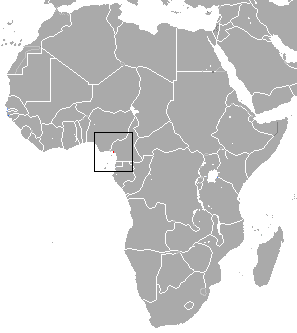
The Nicobar shrew or Nicobar white-tailed shrew is a critically endangered species of mammal in the family Soricidae. It is endemic to Great Nicobar Island in India.
The Nicobar shrew faces severe threats from habitat destruction across its extremely limited range in the Nicobar Islands. The 2004 Indian Ocean tsunami devastated much of its coastal and lowland forest habitat, while ongoing deforestation for agriculture and development continues to fragment remaining populations. Its restriction to small islands makes it particularly vulnerable to environmental catastrophes and human encroachment.
Habitat
This species inhabits tropical forests, coastal vegetation, and agricultural areas across the Nicobar Islands in the Indian Ocean. It occupies both primary and secondary forest habitats from sea level to low elevations.
Conservation measures underway
Other threatened species in SORICIDAE

Threatened in India


Frequently asked questions
Why is Nicobar Shrew classified as Critically Endangered?
Where does Nicobar Shrew live?
What are the main threats to Nicobar Shrew?
Get weekly conservation intelligence
One short digest a week of the most striking species and country data we ship, plus breaking conservation news paired with our database where it matters.
Free, no spam. One-click unsubscribe in every email.