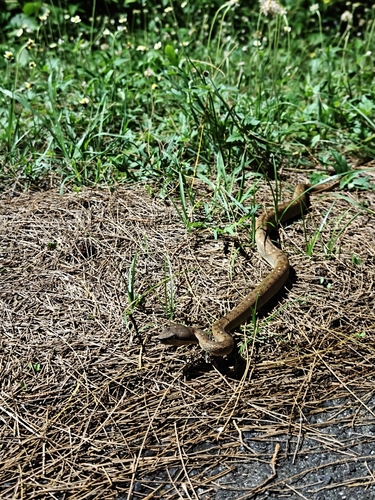
Island Pit Viper
Trimeresurus labialis
Photo: (c) Mohit Mishra, some rights reserved (CC BY-NC), uploaded by Mohit Mishra
Overview
A detailed profile for this species is sourced from the IUCN Red List of Threatened Species as assessments become available.
Trimeresurus labialis faces severe population decline primarily due to extensive deforestation and habitat conversion for palm oil plantations across its limited range in Peninsular Malaysia and southern Thailand. The species' specialized arboreal lifestyle makes it particularly vulnerable to forest fragmentation, as it requires continuous canopy cover for movement and hunting. Collection for the international pet trade has further reduced wild populations, with specimens commanding high prices due to their rarity and distinctive appearance.
Habitat
This arboreal pit viper inhabits primary and secondary tropical rainforests, particularly favoring montane and hill forests at elevations between 300-1,200 meters. The species shows a strong preference for dense canopy environments with high humidity levels and is typically found in areas with abundant epiphytic vegetation that supports its prey base of small mammals, birds, and frogs.
Conservation measures underway
Other threatened species in VIPERIDAE

Threatened in India


Frequently asked questions
Why is Island Pit Viper classified as Critically Endangered?
Where does Island Pit Viper live?
What are the main threats to Island Pit Viper?
Get weekly conservation intelligence
One short digest a week of the most striking species and country data we ship, plus breaking conservation news paired with our database where it matters.
Free, no spam. One-click unsubscribe in every email.