Nevin's Slide
Lerista nevinae
Overview
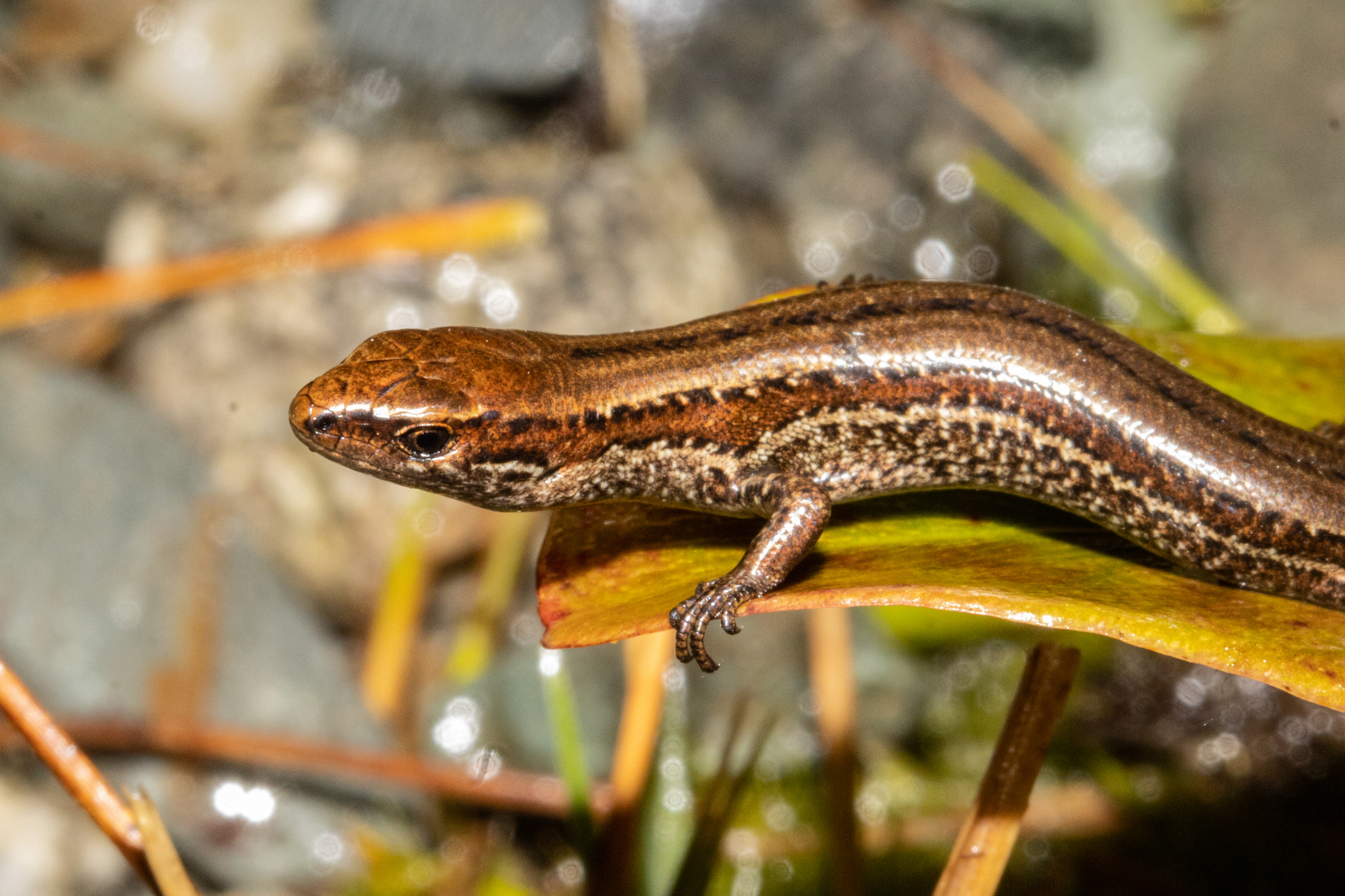
This small, elongate skink belongs to the genus Lerista, a group of Australian skinks known for reduced limb development and a burrowing, sand-swimming lifestyle. Like its relatives, Nevin's Slide is likely limbless or near-limbless, with a smooth, cylindrical body adapted for moving through loose substrate rather than over open ground. It is presumed to be fossorial, spending most of its time beneath sand or leaf litter, emerging rarely and feeding on small invertebrates.
As a burrowing insectivore, it likely contributes to soil turnover and serves as prey for birds and larger reptiles within its coastal habitat.
The species is restricted to Australia, where it occupies marine coastal and supratidal habitats — the zone of sandy or vegetated ground just above the high-tide line. This narrow habitat association makes it highly sensitive to disturbance along the coastline it inhabits.
Nevin's Slide is classified as Critically Endangered, with an unknown population trend, reflecting limited monitoring data. Its coastal range overlaps with ongoing mining and quarrying operations, which can directly destroy or degrade burrowing substrate. Recreational activities in coastal areas, such as vehicle use and foot traffic, further compact or disturb the sand layers the species depends on.
Fire and fire suppression activities also affect the vegetation structure of its supratidal habitat, altering shelter and prey availability.
Specific conservation measures for this species are not well documented, though its Critically Endangered status suggests it may be a candidate for habitat protection and survey-based monitoring under Australian conservation frameworks. Given its restricted range, ongoing habitat pressures, and lack of population data, its conservation outlook remains precarious, with continued habitat loss posing a significant risk to its long-term persistence.
Nevin's Slide faces ongoing pressure from mining and quarrying activities that disturb or destroy its natural habitat, along with damage caused by recreational activities like off-road vehicle use or foot traffic in its habitat areas. Wildfires and fire management practices also pose a continuing risk to the species' survival. All three threats are currently classified as ongoing, suggesting the pressures on this species remain steady rather than clearly increasing or decreasing.
Habitat
Other threatened species in SCINCIDAE

Threatened in Australia
Frequently asked questions
Why is Nevin's Slide classified as Critically Endangered?
Where does Nevin's Slide live?
What are the main threats to Nevin's Slide?
Get weekly conservation intelligence
One short digest a week of the most striking species and country data we ship, plus breaking conservation news paired with our database where it matters.
Free, no spam. One-click unsubscribe in every email.