Nangur Skink
Nangura spinosa
Overview
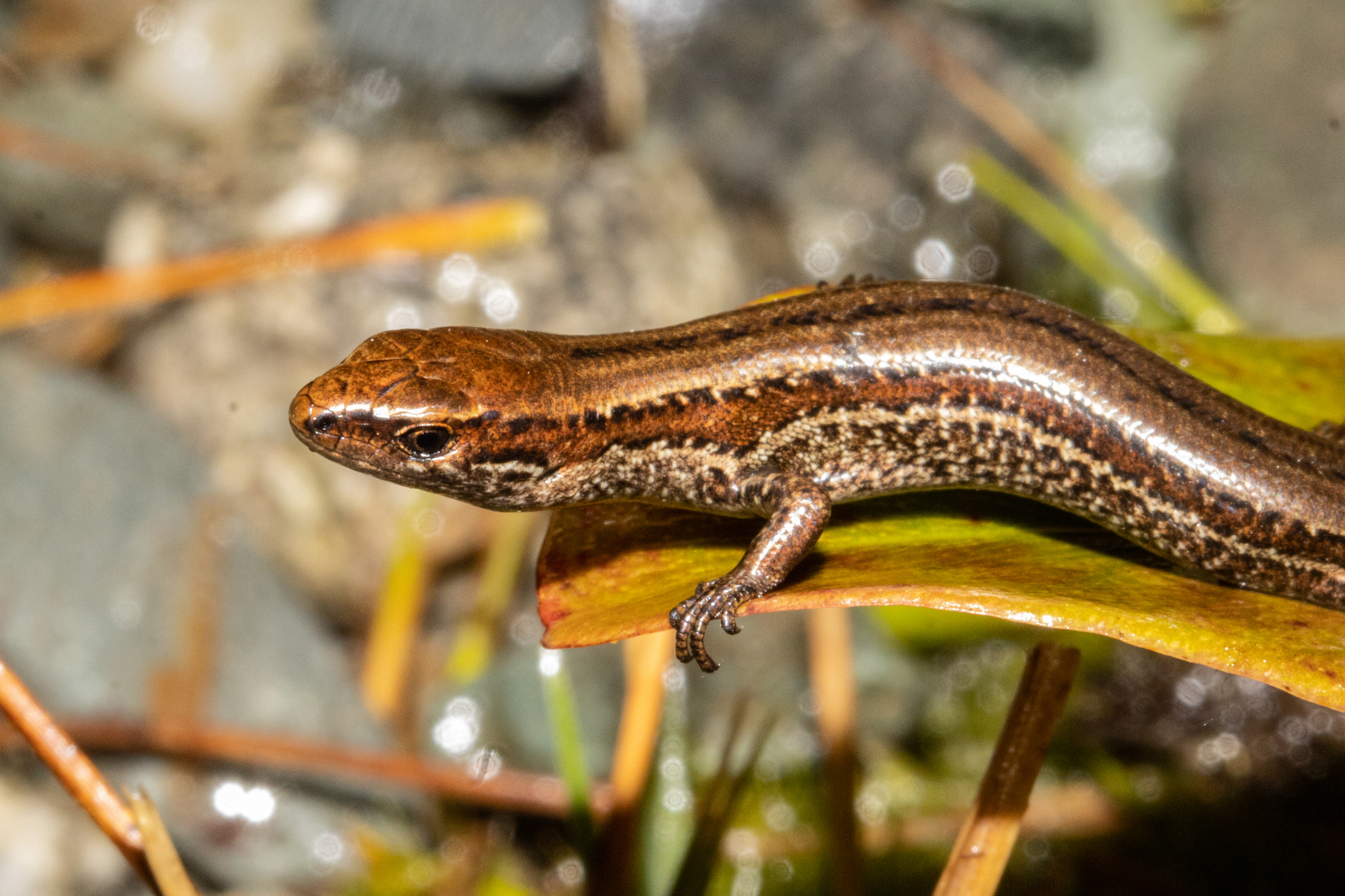
Nangura spinosa is a spiny-scaled skink notable for the distinctive dorsal spines that distinguish it from other Australian scincids, an adaptation thought to deter predators by making the lizard difficult to swallow or extract from crevices. It is a cryptic, saxicoline species, sheltering in rock crevices and beneath surface rocks within closed forest, emerging to forage on invertebrates. Its secretive habits and restricted activity range mean it plays a localized role as an insectivore within its forest ecosystem, though most aspects of its ecology remain poorly documented due to its rarity and elusive behavior.
The species is endemic to a very small area of southeastern Queensland, Australia, known only from a handful of sites associated with dry rainforest and adjacent shrubland on rocky substrates. This extremely limited distribution makes the entire population highly vulnerable to localized disturbance.
Threats are numerous and compounding: conversion of habitat to wood and pulp plantations, ongoing logging and timber harvesting, livestock grazing that degrades understorey structure, and altered fire regimes that damage the specialized rocky-forest microhabitat the species depends on. Drought conditions add physiological stress, while invasive species—including predators and competitors—further reduce survival prospects. Incidental harvesting of aquatic resources in adjacent waterways has also been flagged as a pressure on the broader habitat mosaic.
Conservation attention has focused on habitat protection within known occurrence sites, survey work to refine understanding of population size and distribution, and management of fire regimes in cooperation with land managers. Because so few populations are known, site-specific protection is considered critical.
Given its tiny range, ongoing habitat modification, and cumulative pressures, the species' outlook remains precarious, with population trends assessed as decreasing and no clear evidence of stabilization.
The Nangur Skink faces ongoing habitat loss from land being cleared for tree plantations, logging, and livestock grazing, which destroys the forest areas it depends on. It is also threatened by wildfires and fire management practices, competition or predation from invasive species, and periods of drought that stress its environment. These pressures appear to be continuing at a steady, ongoing pace rather than clearly increasing or decreasing.
Habitat
Conservation measures underway
Other threatened species in SCINCIDAE

Threatened in Australia
Frequently asked questions
Why is Nangur Skink classified as Endangered?
Where does Nangur Skink live?
What are the main threats to Nangur Skink?
Get weekly conservation intelligence
One short digest a week of the most striking species and country data we ship, plus breaking conservation news paired with our database where it matters.
Free, no spam. One-click unsubscribe in every email.